
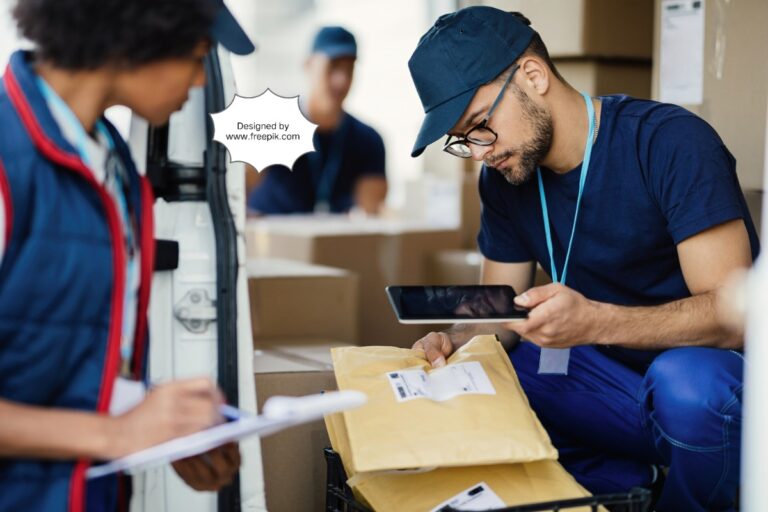
Let us see about India’s ecommerce logistics infrastructure below in detailed.
India’s online shopping delivery network grows fast. It helps companies like Flipkart and Amazon send packages quickly to your door. Better roads, smart tech, and more warehouses make shopping easy everywhere.
India’s e-commerce logistics system powers online shopping, delivering Flipkart and Amazon packages to villages and cities fast. In 2025, sales hit $150 billion with 950 million internet users buying via cheap data and UPI. Firms build new highways, smart warehouses, and electric bikes to cut wait times from days to minutes. Ekart and XpressBees handle billions of parcels yearly, creating millions of jobs. Gati Shakti adds 50,000 km roads and drone zones, linking Bihar farms to Mumbai shops. AI predicts orders, cold chains keep mangoes fresh for exports. Small towns get same-day drops, helping local sellers ship worldwide. Costs drop from 14% to 8% of sales, making India a leader. Riders use live maps, green trucks attract eco-buyers. From Blinkit groceries to Gujarat exports, this network makes shopping fast, cheap, and reliable everywhere.
Why It Grows So Fast
People buy more online every day. In 2025, sales reach $150 billion. Delivery companies build more centers to handle billions of boxes each year.
Key reasons:
- Small towns now order 60% of new items with cheap phones and easy payments.
- Apps like Blinkit bring groceries in 10 minutes.
- Goods go abroad faster from big ports.
Firms like Delhivery send millions of parcels weekly and cut wait times from days to hours.
Better Roads and Storage Spots
Workers build 50,000 km of new roads and special train tracks. Goods travel from Delhi to Mumbai in just 12 hours. The government spends $100 billion on big parks that connect trucks, trains, and planes.
They add 1,000 small storage spots in cities for same-day delivery. Ports in Gujarat load boxes non-stop for exports.
Simple changes:
- Cold rooms save fruits and medicines.
- New spots in villages create jobs for 5 million people.
- Electric bikes save money and avoid city traffic.
Costs drop from 14% to 8% of money spent, so shops sell cheaper.
Smart Tech Speeds Things Up
Apps use AI to guess what people buy and change truck paths fast. This cuts empty trips by 40%. Drones fly packages over traffic in minutes.
Phones show your box’s live location. Robots sort items at night to work faster.
Easy tech wins:
- Blockchain stops fake returns.
- Instagram shops link to quick delivery.
- Computers plan stock for festivals like Diwali.
XpressBees covers 90% of areas with local bike riders.
Top Companies Lead the Way
Delhivery has 100 centers and tests drones for 20% of India’s packages. Blue Dart uses planes for city speed. DTDC covers neighborhoods with 15,000 shops.
Small helpers like Shiprocket let tiny shops ship anywhere easily. Ekart helps Flipkart with 3 lakh delivery people.
Their strengths:
- Delhivery’s tech cuts delays by 25%.
- Ekart uses green bikes for half its work.
- XpressBees grows fast in small towns.
They hire millions and teach riders to use apps.
Fixing Village and Last-Door Problems
Riders face rain and bad roads, but new spots bring next-day delivery to 70% of homes. 5G phones help apps work even in far areas.
Solutions work:
- Share bikes to lower costs.
- Women riders join teams in many states.
- Take back 90% of wrong orders to reuse.
Green trucks and solar buildings attract buyers who care about the earth.
How the Logistics System Works
Delivery starts when you order online—warehouses in Delhi or Bengaluru pick, pack, and sort your item using robots that work overnight. Trucks loaded with 7,000+ vehicles from Ekart zoom on new highways, hitting dedicated freight corridors that speed goods from north to south in 12 hours. AI apps reroute bikes around rain or jams, ensuring 90% of pin codes get next-day service. In cities, micro-centers stock basics for 10-minute grocery drops via Blinkit riders on electric scooters.
Rural hubs in Odisha use shared EVs to cluster villages, cutting last-mile costs by 30%. XpressBees excels here, growing 40% in Tier-3 towns with local teams. Ports in Gujarat load exports for US shelves, while blockchain tracks returns to reuse 90% of wrong orders. Women riders in Uttar Pradesh sort fish or clothes, earning steady pay. Cold rooms preserve medicines and fruits, drones test rooftop drops over traffic, and 5G syncs offline apps. Governments unify trains, planes, and roads via multi-modal parks, employing 5 million. This end-to-end chain—pickup to porch—handles 2 billion parcels yearly, powering $6.65 billion in logistics growth.
What’s Next by 2030
India plans $300 billion in delivery by 2030 with super-fast trains and sea drones. New rules build 10,000 km of roads each year.
Ports link to world shops. Villages sell crafts online to other countries.
Fun future ideas:
- Drones do 15% of city drops by 2028.
- Computers copy full delivery plans with no mistakes.
- Track every item from farm to your home.
This system makes shopping simple, creates jobs, and puts India on top in Asia.
Extra Future Outlook
Logistics evolves with sea drones testing coastal routes and blockchain passports tracing goods from Kerala spices to US shelves. Women-led hubs in Rajasthan train 1 million riders yearly, while AR glasses guide sorters for zero mistakes. Rural 6G networks enable voice orders in local dialects, hitting 95% coverage. Startups launch AI chatbots for instant claims, slashing complaints by 50%. Global ties with Amazon strengthen, exporting Indian EVs to Europe. This boom adds 10 million jobs by 2028, turning delivery boys into entrepreneurs with micro-loans. India leads sustainable logistics worldwide, blending tradition with tech for a connected tomorrow.
Conclusion
India’s e-commerce logistics reshapes lives, creating jobs and wealth as sales eye $300 billion by 2030. Riders, builders, and tech whizzes drive this engine, connecting farmers to global buyers and villages to city trends. Ekart’s 20+ warehouses and XpressBees’ small-town speed set benchmarks, while EVs and solar hubs go green. Challenges like monsoons fade with 10,000 km yearly expressways and hyperloop dreams. Quick commerce rules urban life, exports lift Gujarat ports, and AI zeros errors for flawless service. Beginners see simple wins: track your box live, return easily, shop anywhere. This system catapults India as Asia’s delivery king, fueling startups and happiness. Governments back it with policies, ensuring fast, affordable reach to every home. Shoppers win cheaper prices, sellers gain scale, and the nation surges forward—delivering progress one parcel at a time.



An excellent and comprehensive explanation that clearly shows how India’s e-commerce logistics is transforming connectivity, jobs, technology, and global trade while making fast, affordable delivery a reality across the country.
👍
Good content
👍
India’s e-commerce logistics future looks transformative—faster, greener, tech-driven delivery will connect villages to global markets, create millions of jobs, and make shopping cheaper and reliable for everyone.
👍