Let us see about US-INDIA Textiles Trade below in detailed.
India and the US share a growing friendship in the world of textiles and readymade apparel trade. This trade brings jobs, money, and new chances for both countries, especially after their recent deal in early 2026.
What Are Textiles and Readymade Apparel?
Textiles mean fabrics like cotton, silk, and yarn that people use to make clothes and other items. Readymade apparel includes ready-to-wear clothes such as shirts, jeans, dresses, and jackets. India makes a lot of these because it has skilled workers and cheap raw materials. Meanwhile, the US buys them in huge amounts since Americans love stylish and affordable outfits. For example, you can find Indian-made T-shirts in many US stores. As a result, this trade connects factories in India with shoppers in America.
India grows cotton fields and spins yarn quickly. Then, factories sew clothes and ship them across the ocean. On the other hand, the US focuses more on buying than making because labor costs there stay high. Therefore, both sides win: India sells more, and the US gets fresh supplies.
History of US-India Trade in This Field
Trade between India and the US in textiles started strong many years ago. Back in the 1990s, India sent cotton goods to America first. Over time, this grew because Indian workers learned new sewing machines and designs. By 2025, India exported about $10.5 billion worth of textiles and apparel to the US each year. That’s a big number, right? Moreover, apparel made up 70% of it, while made-ups like bedsheets took 15%.
However, challenges came along. High taxes, called tariffs, made Indian goods cost more in the US. For instance, tariffs reached up to 50% before the new deal. Competitors like Bangladesh and Vietnam faced less pain sometimes. But now, things change fast with the fresh agreement.
The Big 2026 Trade Deal
In February 2026, leaders from India and the US signed a key pact. President Donald Trump and Prime Minister Narendra Modi kicked off talks in 2025, and this deal builds on that. It cuts US tariffs on Indian textiles from 50% to just 18%. Silk even gets 0% duty, which means free entry. As a result, India taps into America’s $118 billion market for these goods.
Why does this matter? First, it beats rivals. Bangladesh pays 20%, China 30%, and Vietnam 20%. Indian exporters now stand stronger. Second, the deal opens doors for more sales. Experts say the US could help India hit $100 billion in total textile exports by 2030. In fact, the US might cover over one-fifth of that goal. Additionally, India cuts duties on US farm goods like nuts and grains, so trade flows both ways.
This pact also fixes supply chain issues. After past problems like COVID, companies want steady sources. India steps up here with quick production.
India’s Strengths in Textiles
India shines in this trade for good reasons. Here are key points:
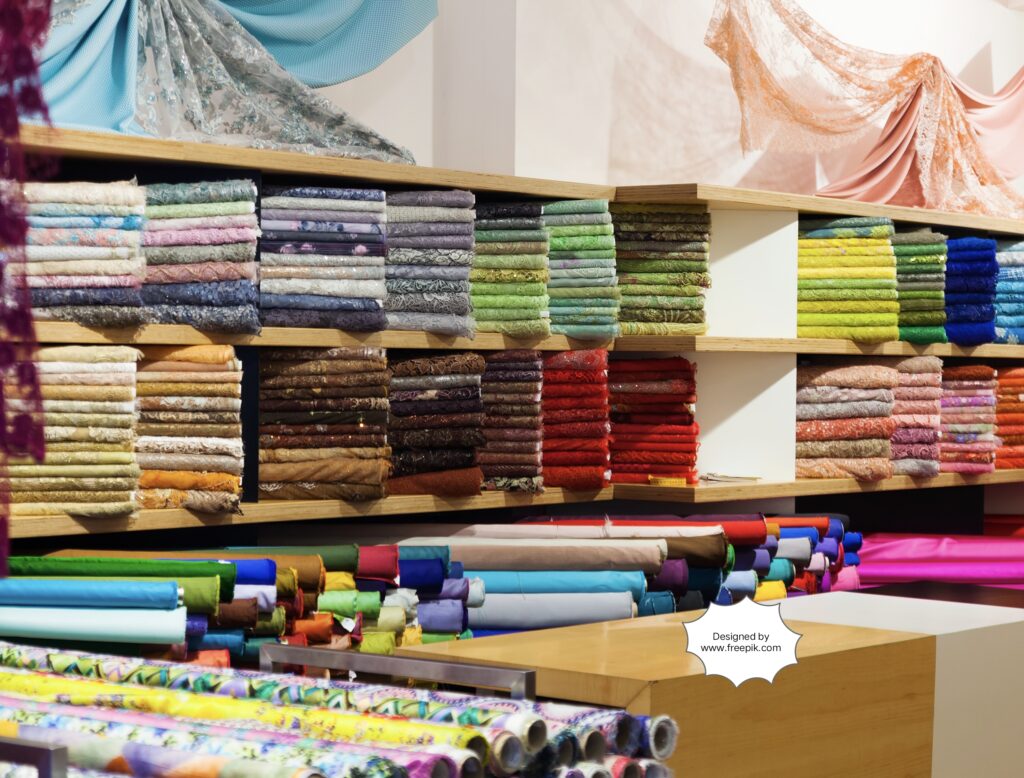
- Rich Cotton Supply: India grows the world’s most cotton, so yarn costs stay low.
- Skilled Labor: Millions of workers sew fast and create unique designs, like hand-embroidered kurtas.
- Big Factories: Places like Tirupur and Surat churn out millions of garments yearly.
- Variety: From cheap T-shirts to fancy silk saris, India offers it all.
Furthermore, government help boosts this. Programs like PLI schemes give money for new machines. As a result, exports jumped 28-33% to the US in recent years. However, India must improve quality checks to match US standards.
US Market Needs and Chances
Americans buy tons of clothes yearly. The US imports $118 billion in textiles, and India grabs a slice. Busy shoppers pick readymade apparel from stores like Walmart or online on Amazon. They want comfy, trendy items at low prices.
Key US demands include:
- Casual Wear: Jeans, hoodies, and activewear top the list.
- Home Goods: Bedsheets, towels, and curtains sell well.
- Special Fabrics: Organic cotton and silk gain fans for eco-friendly reasons.
Because of the deal, US buyers shift from China. They now eye India for steady supply. For example, big brands like Gap and H&M increase orders. This creates jobs in Indian villages too.
How Trade Works Step by Step
Trade follows clear steps. First, Indian farmers pick cotton. Then, mills spin it into yarn. Next, factories dye and cut fabric. Workers sew pieces into shirts or pants. After quality checks, trucks take goods to ports like Mumbai. Ships carry them to US ports like New York. Finally, US stores sell them.
But smooth trade needs more:
- Fast shipping to cut delays.
- Digital papers for customs.
- Training for eco-rules, since the US pushes green fabrics.
Moreover, both governments talk often. Groups like CITI in India cheer the deal and push for more.
Challenges Both Sides Face
No trade runs perfect. Here are main hurdles:
- High Costs: Fuel and shipping fees add up.
- Competition: Bangladesh makes cheaper clothes faster.
- Rules: US wants zero child labor and safe dyes.
- Currency Swings: Dollar strength hurts Indian sellers.
Yet, solutions exist. India invests in machines for speed. The US offers tech help. Additionally, the new deal cuts tariffs, so prices drop. Therefore, trade grows despite bumps.
Jobs and Economy Boost
This trade changes lives. In India, it employs 45 million people, mostly women. Villages near Surat thrive with new factories. The US gets affordable clothes, so families save money.
Numbers show impact:
| Area | Jobs Created (India) | Export Value to US |
|---|---|---|
| Apparel | 30 million | $7.35 billion |
| Made-ups | 5 million | $1.6 billion |
| Total | 45 million+ | $10.5 billion |
As trade rises, India aims for $100 billion exports by 2030. The US helps with investments too. For instance, American firms build plants in India.
Future Outlook and Tips
Looking ahead, trade looks bright. By 2030, India could double sales to the US. New tech like AI designs and green dyeing helps. Both countries plan more pacts.
Tips for small businesses:
- Start Small: Sell online to US via Etsy.
- Focus Quality: Meet US safety tests.
- Go Green: Use organic cotton for premium prices.
- Join Groups: Link with CITI for deals.
In short, this trade links two big democracies. It brings growth, jobs, and style to millions.
Why This Trade Matters to You
Even if you live far, this affects daily life. Cheaper Indian shirts fill US racks. Indian workers earn fair pay. Everyone wins with better clothes and stronger ties. As deals grow, watch for more changes in 2026 and beyond.