
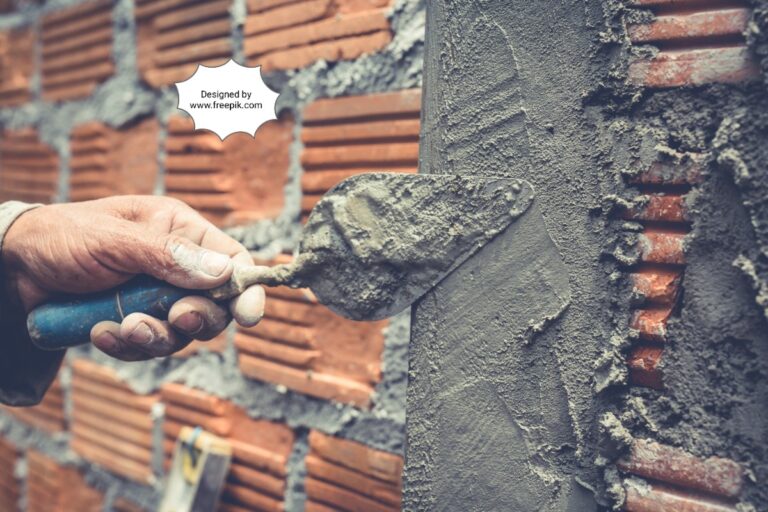
Let us see about India’s Cement Industry below in detailed.
India makes tons of cement every year to build roads, homes, and big buildings. This industry ranks second in the world and grows fast. Experts say it jumps 8% more in 2025 because government spends big money on projects.
What Makes Cement Industry Grow So Fast?
Workers mix stones, mud, and fire to make cement. India uses over 450 million tons each year. People build houses and roads non-stop, so cement sells quick.
- Big road projects help a lot: Government builds 34,000 km of new highways across the country. Workers pour cement everywhere to make strong roads. Trucks carry cement bags day and night to construction sites.
- New homes for poor families: Government scheme called PM Awas Yojana makes 20 million houses for poor people. Families in villages and small towns finally get strong roofs over their heads instead of weak ones.
- Shops and factories need cement: Online stores like Amazon build big godowns to store goods. Car makers build new plants for electric cars in places like Gujarat. All these need lots of cement quickly.
- Cities get bigger every day: More people move from villages to towns and cities. They need tall buildings, new apartments, and connected roads, so cement demand never stops.
Top Companies
Big companies make most cement with smart plans. They buy small ones to grow fast. They work hard to beat rivals and keep prices good.
- UltraTech is number one company: They make the most cement with over 150 million tons capacity. They build clean plants in Rajasthan that save air from dirty smoke and pollution.
- Shree Cement saves money smartly: They find ways to make cement cheap and sell it well in northern states like Rajasthan and Uttar Pradesh.
- Dalmia uses new machines: They put modern technology in factories to work faster and use less power, making them strong players.
- JSW buys other companies quick: They grow fast by buying smaller cement firms, so they get bigger market share in short time.
- Local companies also do well: In South India, companies like India Cements supply cement for tall towers in cities like Chennai.
Which States Make Most Cement?
Plants sit near big stone hills and good roads for easy transport. Each state has its own good points that help production. Cement goes to every corner by truck or train.
- Rajasthan makes the most cement: They have huge stone mines that give easy raw material. Factories there produce 70 million tons every year without problems.
- Madhya Pradesh comes second: Rivers nearby help cool the hot machines in factories. They make steady cement supply for nearby areas.
- Andhra Pradesh sends cement abroad: They make 9% of India’s total and ship bags easily to nearby countries like Sri Lanka through ports.
- Uttar Pradesh builds many homes: Lots of new houses come up here, so they produce 8% of cement to meet huge housing demand.
- Tamil Nadu supplies factories: Big industrial cities like Chennai use tons of cement daily for new factories and buildings.
How Government Helps Cement Grow
Leaders give lots of money and make easy rules for builders. They want fast construction everywhere in India. This creates jobs and boosts sales.
- Huge money goes to roads: Government gives 2.5 lakh crore rupees just for roads in one year. This money pays workers who use cement daily.
- Big plan connects everything: PM Gati Shakti project links 100 big projects together. All these need cement right now, so demand jumps 10% every year.
- Village paths become strong roads: PM Gram Sadak Yojana builds roads to 2 lakh villages. Poor areas now connect to cities easily.
- New smart towns come up: Places like Amaravati use special types of cement for modern buildings and clean cities.
- Taxes and rewards make it easy: GST tax stays at 18% which is simple. Good factories get extra money as reward for working clean.
Hard Problems Cement Faces
Rain stops work, prices go down sometimes, and power costs hurt profits. Companies find new ways to solve these daily issues.
- Bag prices drop suddenly: When factories make too much cement, price falls from 350 rupees to 320 rupees per bag. Sellers lose money quickly.
- Electricity bills stay very high: Power costs eat up 40% of total money spent to make cement. Factories pay huge bills every month.
- Government rules clean dirty air: Old factory machines make smoke and dust. Companies must buy expensive cleaners to fix this.
- Heavy rain blocks all roads: During monsoon, water floods paths and trucks cannot move. Cement bags wait in factories for days.
- Coal becomes hard to buy: Factories need coal for heat, but shortages happen. They buy from far countries at higher prices.
Clean Cement Changes Everything
Companies now make green cement to help the earth and follow rules. They use waste materials and sun power instead of dirty fuel. People like buying this clean type.
- UltraTech switches to clean energy: They use 100% green power in some plants. This cuts bad gases in air by 20% and helps nature.
- They mix ash from power plants: Fly ash waste from electricity plants goes into cement. This saves natural stones from hills and mines.
- Old tyres become factory fuel: Companies burn waste tyres and rice husks safely in hot machines. Trash turns into useful heat.
- Dalmia leads with least smoke: They use 25% waste fuel and make least dirty air in whole Asia. Others copy their good ways.
- Buyers want green buildings: Houses made with clean cement get extra points and certificates. Owners feel proud and sell faster.
Key Numbers – Big Growth
Look at this simple table that tells the growth story clearly. Numbers go up every year as India builds more.
| What Counts | This Year Amount | Next Year Plan | How Much Jump |
|---|---|---|---|
| Cement Made (million tons) | 453 | 480 | 6 to 8% more |
| Total Factory Size | 690 | 750 | 9% bigger |
| Total Money Value ($ billion) | 18.4 | 20.5 | 11% higher |
| Share of Top 5 Companies | 65% | 70% | Gets stronger |
- Each Indian uses very little cement: People here use only 250 kg per year. In China, they use 600 kg, so India has big space to grow more.
- India sells to other countries: They send 10 million tons to neighbors like Bangladesh who also build fast.
- Prices stay steady these days: North India pays 340 rupees per bag, South pays 360 rupees now.
Jobs and Money Cement Brings to People
Cement work gives paychecks to millions of families. Villages near factories get better lives. Government collects taxes too.
- 4 million people get direct jobs: Men drive trucks full of cement bags. Others run big hot machines inside factories.
- 10 million more jobs come indirectly: Workers dig stones from mines. Others load and move bags to markets.
- Factories build schools for kids: Companies use extra money to make hospitals and schools near their plants.
- Women now pack cement bags: New easy machines help women do this work safely and earn good money.
- Tech creates new jobs too: Young people make smart tools and sensors that watch factory machines all day.
What’s Next for Cement Industry
India plans for 550 million tons cement by 2030. More cities mean more building everywhere. Clean methods and smart tech lead the way.
- Half of India lives in cities soon: People build super-fast trains and millions of new homes quickly.
- 100 new smart cities planned: Factories for electric cars and big computer centers need fresh cement supply.
- Phones and computers help factories: Smart apps tell workers when a machine might break down before it happens.
- Big companies buy small ones: Top firms take over others, so they control 80% of all cement made.
- All factories go fully clean by 2035: They sell double amount to far countries like Europe who want green cement.
Conclusion
India’s cement story proves hard work always wins big. Rain falls heavy, prices drop low sometimes, but builders never stop. They turn stone hills into city lights and village paths into highways. Cement touches every home and road you see. Get ready to watch it build even more dreams through 2025 and years ahead!




Excellent information
India’s cement industry is booming due to massive infrastructure spending, rapid urbanization, and strong government support, making it a vital pillar of the country’s economic growth despite operational challenges.
👍