
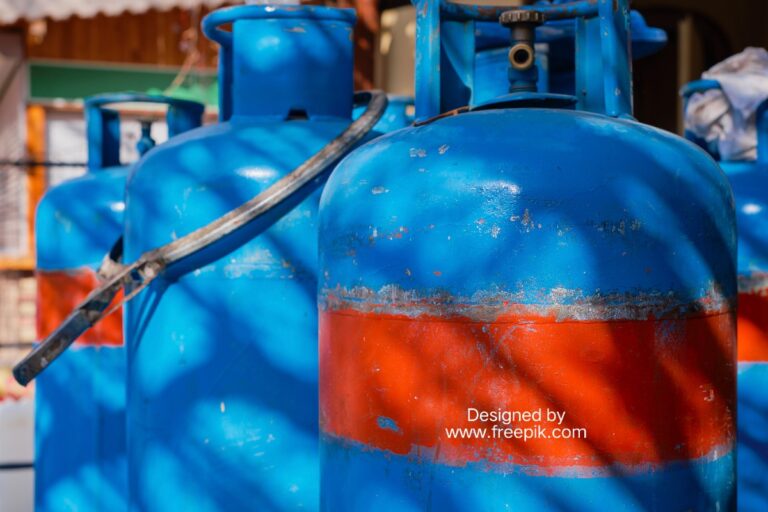
Let us see about LPG Shortage in India (March 2026) below in detailed.
India faces a tough LPG shortage right now. Many families struggle to cook daily meals because gas cylinders run low in cities and villages alike.
What is Happening with LPG in India?
LPG, or Liquefied Petroleum Gas, powers kitchens across the country. Families use it for cooking, and businesses rely on it too. However, in early 2026, supplies dropped sharply. People waited in long lines at distributors. Restaurants shut down early, and hotels cut services. For instance, in big cities like Mumbai and Bengaluru, customers heard news of empty stocks. This crisis hit hard because over 33 crore households depend on LPG connections.
Moreover, the shortage started suddenly. Reports show it began in March 2026. First, commercial users felt the pinch, then homes followed. Government data points to nearly 31 million tonnes of yearly use, with homes taking 87 percent. As a result, daily life turned chaotic. Women spent hours queuing, and small eateries lost business. Therefore, everyone asks: why does this happen now?
Main Reason 1: Heavy Reliance on Imports
India imports most of its LPG. In fact, 62 percent comes from abroad. Countries like Saudi Arabia and Qatar send the bulk through ships. But when shipping routes face blocks, supplies halt. For example, the Strait of Hormuz, a key path, closed due to fights between the US, Israel, and Iran. Ships carrying LPG couldn’t pass, so cargoes piled up elsewhere.
Additionally, this dependence grew over years. India produces some LPG from refineries, but not enough. Demand soared, yet local output lagged. Consequently, any global snag hits India first. Unlike oil, LPG lacks big backup stocks. Only two caverns in Mangaluru and Visakhapatnam hold 1.4 lakh tonnes—too little for the whole nation. Thus, imports fill key gaps.
India’s LPG Production and Imports Explained
India relies on both home-made and imported LPG for cooking gas. Local refineries make some, but the country brings in a lot from other nations. This setup keeps supplies going, yet shortages happen when imports slow down.
How Much LPG Does India Produce Locally?
India produces about 40% of its LPG needs inside the country.
- Total yearly use: Around 31 million tonnes.
- Local output: Roughly 12-13 million tonnes from refineries.
- Recent boost: In March 2026, production jumped 25-30% due to government orders.
- This covers nearly half of demand right now, but not fully long-term.
For example, refineries like those of Indian Oil and Reliance push out extra LPG. However, they also make petrol and diesel, so LPG gets only part of the focus.
How Much LPG Comes from Imports?
India imports 60% of its LPG, about 18-19 million tonnes each year.
- Main sources: Gulf countries like Saudi Arabia and Qatar supply most.
- From the West: Smaller amounts, like 2.2 million tonnes from the US in 2026.
- Key route: 90% passes through the Strait of Hormuz strait.
Imports fill the gap when local supply falls short. Without them, homes and restaurants face empty cylinders fast.
What Form Do Imports Arrive In?
Imports come ready-to-use, not as crude oil.
- Form: Pure LPG (propane and butane) as liquid in huge tanker ships.
- No refining needed: Ships dock at ports like Mumbai or Kochi, then LPG goes straight to storage and bottling.
Crude oil imports serve other refinery work, but LPG ships carry the final product directly.
How Much Can Local LPG Serve?
Domestic production meets up to 40-50% of needs under normal times.
- Strengths: Quick boosts help during crises, like now with household priority.
- Limits: Storage and trucks can’t move it all fast; refineries split output with other fuels.
- Result: Imports stay key for 33 crore LPG connections nationwide.
If imports stop fully, local LPG alone serves only half the country, leading to big shortages.
How India Separates LPG from Crude Oil
India extracts LPG from crude at 23 major refineries. Workers follow clear steps to get clean gas. Here’s how:
- Crude Arrives: Ships bring thick crude oil—a mix of liquids and gases—to the refinery.
- Heating Up: They heat crude to 350-400°C in furnaces, turning it into vapor.
- Distillation Tower: Hot vapor rises in a tall Atmospheric Distillation Unit (ADU). Lighter parts like LPG separate first by boiling point.
- Collect Wet Gas: Propane and butane come out as “wet gas” from the top.
- Cleaning Process: In the Gas Plant, they cool it, remove water and impurities with chemicals.
- Fractionation: Special towers split propane (-42°C boil) and butane (0°C boil) exactly—usually 40% propane, 60% butane mix.
- Liquefy and Store: Cool, pressurize into liquid LPG, then store in big tanks for cylinders.
This process ties LPG to crude supply, so global issues hit hard. Recently, refineries diverted extra streams straight to LPG pools for faster output.
Main Reason 2: Sharp Rise in Demand
Demand for LPG exploded thanks to government schemes. The Pradhan Mantri Ujjwala Yojana (PMUY) gave nearly 10 crore free connections since 2017. Before that, families burned wood or kerosene, which caused smoke and health issues. Now, 33 crore connections exist nationwide. People cook cleaner and faster, so usage jumped threefold from 2011 to 2025.
Furthermore, population growth adds pressure. India has 1.4 billion people, and more homes mean more cylinders. Festivals and weddings spike needs too. For instance, during Holi or Diwali, cooking doubles. However, supply chains can’t match this speed. As a result, stocks deplete fast when demand peaks. Moreover, rural areas, newly connected via PMUY, book refills less often, creating uneven pulls on stocks.
Main Reason 3: Weak Infrastructure and Storage
India’s LPG system handles daily flow, not big backups. Refineries make gas, but storage stays small. Underground caverns cover just a fraction of needs. Trucks and trains move cylinders, yet roads clog and weather delays trips. In rainy seasons or strikes, deliveries slow.
On top of that, distributors face bottlenecks. Refill plants work overtime, but queues build. For example, in Tamil Nadu and Karnataka, panic buying worsened lines. People heard rumors of shortages, so they booked extra cylinders. This hoarding emptied local stocks quicker. Therefore, poor planning amplifies small issues into crises.
Main Reason 4: Global Conflicts and Geopolitical Tensions
World events trigger India’s woes. The 2026 Middle East war blocked key routes. Iran-US clashes shut Hormuz Strait, where 85-90 percent of LPG imports pass. Earlier, Ukraine-Russia fights raised oil prices, indirectly hitting LPG. Geopolitics disrupts tankers, and India pays more or waits longer.
Besides, crude oil price swings affect LPG. Refineries turn crude into gas, so higher costs slow production. However, India negotiates with 40 nations for alternatives. Still, sudden wars expose risks. As tensions rise, supplies dip, and panic spreads via social media. Consequently, fake news fuels rushes at agencies.
How the Shortage Affects Daily Life
Households suffer most. Mothers skip meals or cook less to save gas. Kids eat cold food, and health dips without hot meals. In villages, women revert to firewood, breathing smoke again. Urban homes face black market prices—cylinders cost double.
Businesses hurt too. Restaurants in Chennai and Kolkata close kitchens. Hotels serve fewer guests, and small factories halt. Jobs vanish as owners cut staff. For example, Bengaluru cafes fired cooks amid cuts. Moreover, prices climb, hitting low-income families hardest. Thus, the crisis ripples through society.
- Families queue for hours daily.
- Restaurants reduce menus or shut early.
- Hotels switch to electric stoves, raising bills.
- Rural users burn wood, harming lungs and forests.
- Black market thrives, cheating honest buyers.
Looking Ahead: Ways to Avoid Future Shortages
India must build stronger systems. First, expand storage. More caverns mean buffers against shocks. Second, ramp up local production. New refineries cut import needs. Third, diversify sources—look to Australia or Africa, not just Gulf.
Furthermore, promote alternatives. Electric stoves or biogas suit some homes. PMUY phase two adds safety nets. However, education curbs panic. Apps for real-time stock checks help. As a result, steady planning ensures no repeats.
Long-term fixes include:
- Double cavern capacity in two years.
- Train distributors for faster refills.
- Subsidize biogas for villages.
- Use AI to predict demand spikes.
- Strengthen ties with stable suppliers.
Final Thoughts on Energy Security
This LPG crunch teaches big lessons. India grew fast with PMUY, but growth needs safeguards. Geopolitics shake supplies, so self-reliance matters. Families adapt, governments respond, yet prevention beats cure. Moving forward, blend imports, local gas, and green options. Everyone—from leaders to users—plays a role. Stay informed, avoid hoarding, and support fixes. India overcomes hurdles; this one will pass too.


LPG shortage in India sounds like a real struggle 😕. Families cooking with empty cylinders, restaurants shutting down… it’s affecting everyone. Global issues and infrastructure problems aren’t helping either. Hope they sort it out soon 🙏.
👍