Let us see about Ships Trapped in the Strait of Hormuz During the Israel-U.S war on Iran – March 26, 2026
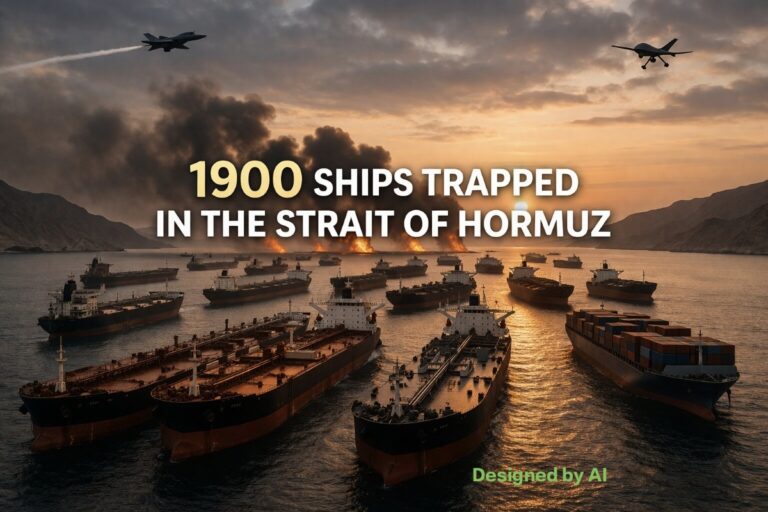
Right now, about 1,900 commercial ships sit stuck in and around the Strait of Hormuz. This group includes more than 500 oil, gas, and chemical tankers, plus hundreds of bulk carriers, container ships, and other vessels. These ships carry oil, gas, grain, and everyday goods, but the war between Israel, the U.S., and Iran keeps them from moving safely.
How many ships are trapped in the Strait of Hormuz area?
The Strait of Hormuz lies between Iran and Oman as a narrow waterway. Normally, ships use it as one of the busiest oil routes in the world. In March 2026, however, war turns this area into a very dangerous zone for vessels.
First, experts say that around 1,900 commercial vessels sit stranded in the Persian Gulf and near the Strait of Hormuz. Most of these ships anchor in place and wait for safe passage instead of moving. Then, on these ships, about 20,000 seafarers from many countries stay stuck, including Indian sailors.
How many of these are oil and gas tankers?
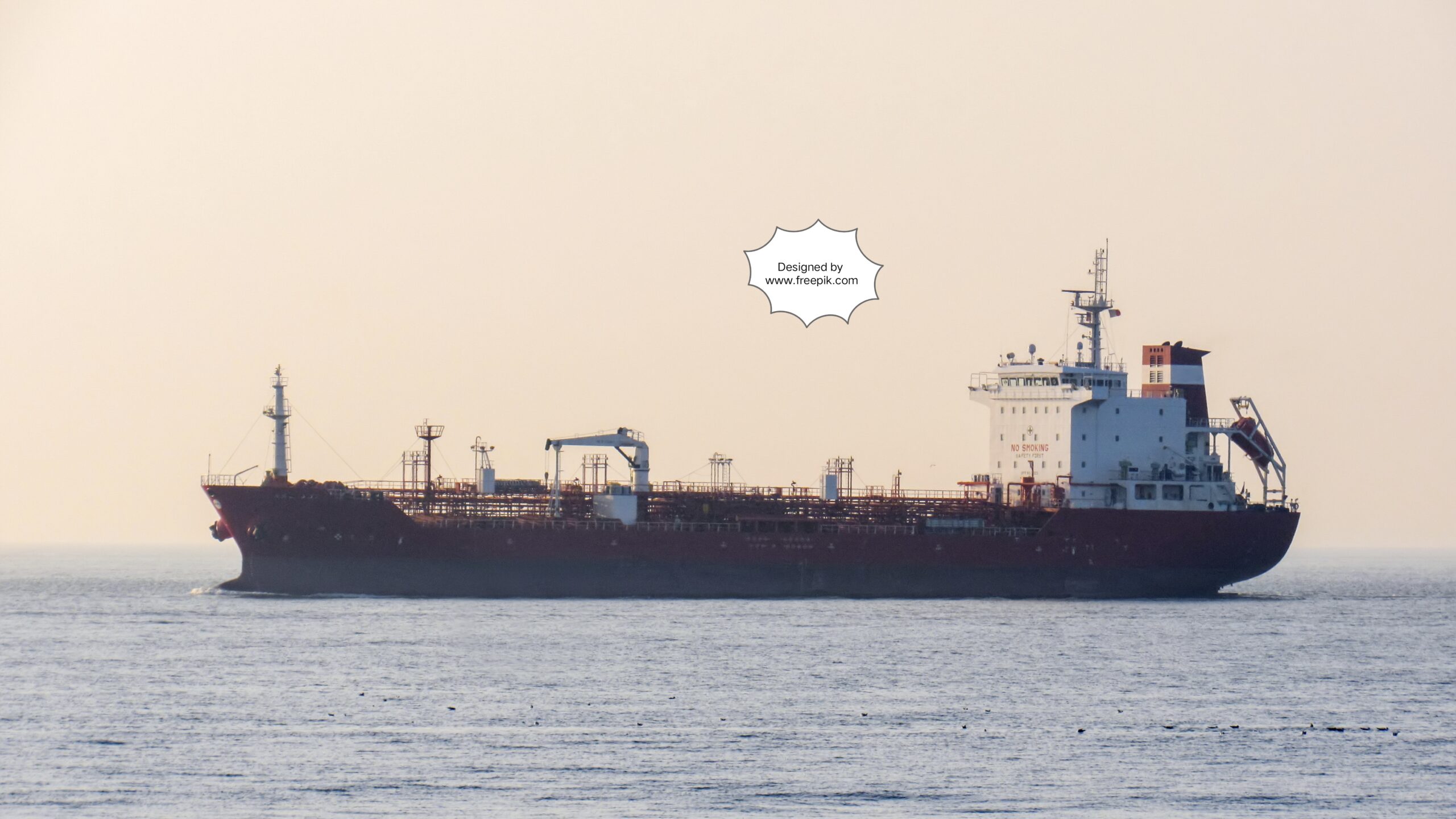
Many of the trapped ships carry oil, gas, or chemicals. These ships are big and expensive, so shipping companies avoid risking them.
Recent data shows these oil‑related numbers around the Strait of Hormuz.
- Crude oil tankers: about 211–220 large crude oil tankers stay stuck.
- Petroleum product tankers: roughly 267 vessels carry diesel, gasoline, and other refined fuels.
- Oil / chemical product carriers: around 315 ships transport refined oil and chemical products.
- LNG (Liquefied Natural Gas) tankers: at least a few dozen LNG tankers, including some Indian‑flagged LNG ships.
- LPG (Liquefied Petroleum Gas) carriers: tens of LPG carriers(20-90 approximately), with reports mentioning about 6 Indian LPG tankers near the strait.
In total, experts believe that more than 500 oil, gas, and chemical tankers form part of the 1,900 stuck ships.
How many other types of ships are stuck?
Not all trapped ships carry oil or gas. Many carry dry cargo, containers, or other goods.
Among the about 1,900 stranded vessels, the main non‑oil groups are:
- Bulk carriers: about 324 bulk carriers carry coal, iron ore, grain, and other dry bulk products.
- Container ships: at least over 100 container ships carry phones, clothes, car parts, and other goods.
- Chemical tankers and product carriers: around 52–53 specialized chemical tankers and more than 315 chemical/product carriers.
- Other support vessels: about 50–55 other small tankers and support ships like tugs or supply boats.
So, out of the 1,900 stuck ships:
- Around 500–550 are oil, gas, or chemical‑related tankers.
- Around 400–450 are bulk carriers, container ships, and other dry‑cargo or support vessels.
What this means for the world economy
These numbers are not just numbers—they show a big shock to global trade. First, normally, about 17–21 million barrels of oil pass through the Strait of Hormuz every day. Now, hundreds of tankers filled with 1.7–2 million metric tonnes of oil, LNG, and LPG cannot move out.
Countries like India, China, and European nations depend on this oil and gas. As a result, delays push up fuel prices, cause power problems, and make goods in shops more expensive. Meanwhile, container ships carry everyday items. If they stay stuck, factories may run out of parts and shops may face empty shelves.
Why are these ships still not moving?
Most of the 1,900 stuck ships stay in place instead of moving. Several reasons keep them anchored.
First, fear of attacks: Iran has hit at least 8–10 ships in the Gulf and the strait since early March, so owners avoid the area. Next, mines and patrols: Iran uses mines and fast boats, while Israel and the U.S send warships and aircraft. This makes the strait feel like a battlefield.
Then, insurance and safety orders: many insurance companies refuse to cover ships that try to pass through the strait, and shipping companies tell their captains to stay put. Finally, slow “safe” routes: Iran may allow some ships to pass only after checks, but this process is slow and not for everyone.
Because of these reasons, most of the 1,900 ships stay waiting, watching news, and hoping for a safer day to move.
8–10 ships attacked by Iran near the Strait of Hormuz
In March 2026, Iran or its forces hit or damaged about 8–10 commercial ships near the Strait of Hormuz. These ships are mostly oil or fuel tankers carrying cargo for export. The attacks frighten other ship owners and stop them from passing through the area, which helps explain why more than 1,900 ships are now stuck in the Gulf.
Here is a simple table of the most clearly reported attacked ships:
| Ship name | Flag / Country | Main cargo type |
|---|---|---|
| MT Barents Sea | Marshall Islands | Crude oil |
| MT Palmarejo | Marshall Islands | Crude oil |
| MT Konstantinos | Marshall Islands | Crude oil |
| MT Eagle S | Marshall Islands | Crude oil |
| MT Bering | Marshall Islands | Refined petroleum products |
| MT Ocean Knight | Marshall Islands | Refined fuel products |
| MT Red Sea | Panama | Chemical / refined oil products |
| MT Gulf Star | Greece (example) | Crude oil |
How does this affect sailors on board?
Life on these trapped ships is hard and stressful. About 20,000 seafarers stay stuck afloat, far from home.
First, food and water: many ships carry enough supplies for days or weeks, but they may run low if the wait becomes very long. Next, safety: some ships suffer damage from drones, missiles, or mines in the last weeks, so crew members stay very alert.
Meanwhile, mental stress: being stuck in one place for weeks, away from family, can cause fear, anxiety, and tiredness among sailors. As a result, unions and the United Nations warn that this situation creates a major welfare crisis for seafarers, not just an economic problem.
What can happen next?
Two main paths are possible.
1. If the war continues:
- The Strait of Hormuz may stay closed or half‑closed for many more weeks.
- Many of the 1,900 ships may have to wait longer or re‑route around Africa, which takes much more time and fuel.
2. If a ceasefire or deal is reached:
- Iran may slowly open the strait again for selected ships.
- The 211–220 crude tankers, 267 petroleum product tankers, 324 bulk carriers, and many others could start moving out in groups, easing the global pressure.
In the short term, the world watches these numbers: about 1,900 stuck vessels, 500+ oil and gas tankers, and 400+ dry‑cargo ships, all waiting for a signal that the Strait of Hormuz is safe again.