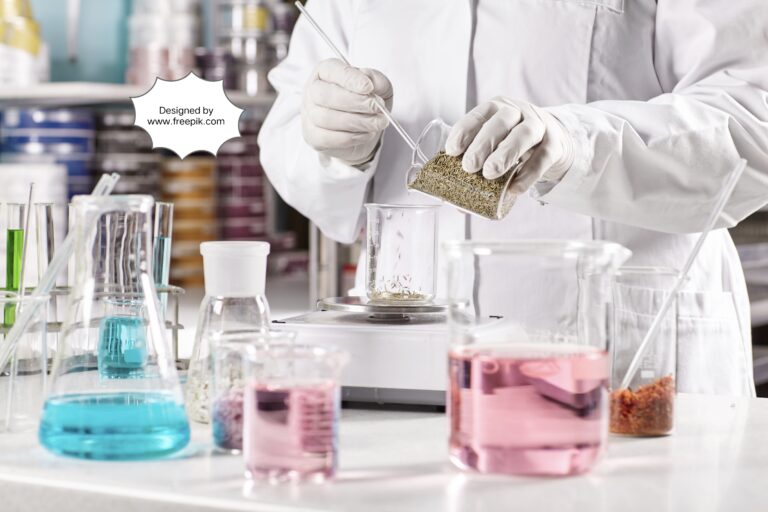
Let us see India’s chemical industry and fertilizer production below in detailed.
India’s chemical industry and fertilizer production play a powerful role in shaping the country’s economy and feeding its growing population. From helping farmers improve crops to supporting industries like textiles and medicines, these sectors keep India running smoothly. let us see how India’s chemical and fertilizer industries work, the challenges they face, and their exciting future.
A Strong Foundation: India’s Chemical Industry
India’s chemical industry is one of the largest in the world. It contributes about 3% to India’s Gross Domestic Product (GDP) and supports millions of jobs. Chemicals made here serve many purposes—they go into products like paints, plastics, medicines, and even the fertilizers that farmers use.
Different Types of Chemicals Produced
- Basic Chemicals: These are raw chemicals such as petrochemicals, acids, and industrial gases.
- Specialty Chemicals: Made for specific uses like dyes, adhesives, and cleaning agents.
- Agrochemicals: Chemicals like fertilizers and pesticides that boost farming.
- Pharmaceutical Chemicals: Ingredients used in making medicines.
This variety makes the chemical industry essential for many everyday products.
Fertilizer Production: Feeding the Nation
Feeding a population of over 1.4 billion is a huge task, and fertilizers make it possible by helping crops grow better and faster. India ranks third worldwide in fertilizer use, showing just how important this sector is for food security.

Types of Fertilizers Commonly Made in India
- Nitrogen-based Fertilizers: Urea is the most widely produced nitrogen fertilizer.
- Phosphatic Fertilizers: These soils nutrients strengthen root growth.
- Potassic Fertilizers: These improve crop quality and disease resistance.
- Complex Fertilizers: A mix of nutrients for balanced soil health.
Indian fertilizer factories mostly focus on nitrogenous and phosphatic fertilizers, especially urea.
What Drives Growth in These Industries?
Rising Demand
India’s growing population needs more food and goods, pushing up demand for chemicals and fertilizers. As farms produce more crops, farmers apply more fertilizers to ensure good yields.
Government Support
The government helps keep fertilizer prices low by offering subsidies, making them affordable for farmers. Supportive policies also encourage companies to invest and expand their production.
New Technologies
Advances in production methods help the industry use less energy and create “greener” chemicals and fertilizers that hurt the environment less.
Export Opportunities
India exports many chemicals and fertilizers, selling them to countries in Asia, Africa, and South America. This creates jobs and earns valuable foreign money.
Challenges the Industry Faces
Even with the strong growth, some challenges remain:
- Dependence on Imports: India imports much of the raw materials like natural gas and phosphates, which can raise costs when global prices go up.
- Environmental Issues: Chemical production can create pollution if not managed properly.
- Subsidy Costs: Fertilizer subsidies put pressure on government budgets and sometimes delay payments to companies.
- Infrastructure Problems: Poor roads and storage facilities can slow down delivery and raise costs.
These challenges need smart solutions to ensure long-term success.
Moving Towards Innovation and Sustainability
Many Indian companies now focus on more eco-friendly fertilizers like biofertilizers and special fertilizers that release nutrients slowly, reducing waste and pollution.
Chemical plants are trying to recycle waste and use cleaner processes to protect the environment better.
Future Opportunities Look Bright
Several trends promise good growth going forward:
- More Intensive Farming: Farmers will use more fertilizers to boost yields.
- Domestic Manufacturing Push: Government programs aim to reduce imports and build India’s own chemical factories.
- Rural Growth: Rising incomes in villages will increase fertilizer sales.
- Global Demand: The need for specialty chemicals and eco-friendly products worldwide gives India new export chances.
India is well placed to become a major global hub for chemicals and fertilizers.
How These Industries Affect You
Many people don’t stop to think about how deeply chemicals and fertilizers touch their daily lives. These industries affect the food you eat, the clothes you wear, and the medicines you take. They also provide jobs and support farmers, helping rural communities thrive.
Snapshot of India’s Industry: Key Stats and Leading Players
Below is a quick summary table of India’s chemical and fertilizer industry, showing size, exports, and top companies leading the way:
| Parameter | Figures / Details (Approx. 2024-25) |
|---|---|
| Chemical Industry Size (Value) | USD 180 billion |
| Contribution to GDP | 3% |
| Employment | 7 million+ workers |
| Fertilizer Production | ~40 million metric tons annually |
| Urea Production | ~24 million metric tons |
| Export Value (Chemicals & Fertilizers) | USD 20 billion |
| Top Chemical Companies | Tata Chemicals, Aarti Industries, Atul Ltd, SRF Ltd |
| Top Fertilizer Companies | IFFCO, National Fertilizers Ltd (NFL), Coromandel International, Chambal Fertilizers |
| Raw Material Import Dependence | 60-70% (Natural gas, phosphates, potash) |
| Government Fertilizer Subsidy Outlay | Approx. USD 10 billion annually |
Leading Companies and Their Roles
| Company | Main Products | Position | Recent Efforts |
|---|---|---|---|
| Tata Chemicals | Basic and specialty chemicals | One of India’s largest producers | Investing in green chemistry and biofertilizers |
| Indian Farmers Fertiliser Cooperative (IFFCO) | Urea, complex fertilizers | World’s largest fertilizer cooperative | Promotes eco-friendly fertilizers |
| Aarti Industries | Specialty chemicals, pharma ingredients | Leading specialty chemical exporter | Expanding pharma chemicals production |
| National Fertilizers Ltd (NFL) | Urea and phosphatic fertilizers | Strong government-owned player | Upgrading plants for better efficiency |
Conclusion
India’s chemical and fertilizer industries are more than just manufacturing—they build the foundation for food security, support millions of jobs, and nourish the country’s economic growth.
India’s chemical industry and fertilizer production play a vital role in driving the country’s economic growth and ensuring food security for its vast population. By supplying essential chemicals and fertilizers, these sectors support agriculture, manufacturing, healthcare, and many daily needs. With strong government support, rising domestic demand, and increasing exports, the industry continues to grow steadily. Innovations in green technologies and sustainable practices are helping tackle environmental challenges and reduce dependence on imports.
Despite some hurdles like raw material dependency and infrastructure gaps, India’s chemical and fertilizer sectors have a bright future. Continued investment in clean technologies, local manufacturing, and export expansion will boost their global competitiveness. Ultimately, these industries not only contribute significantly to India’s economy but also empower farmers, industries, and consumers, making them key to the nation’s sustainable development and prosperity. Their growth is essential for maintaining a balance between progress and environmental responsibility in the years ahead.