
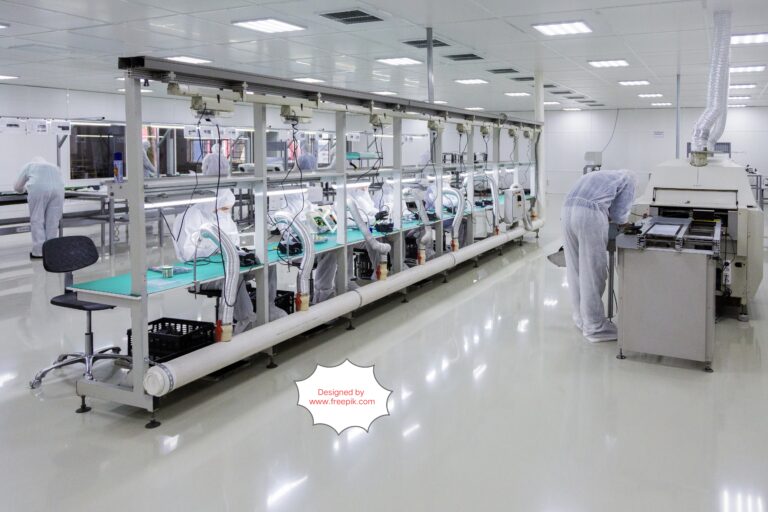
Let us see India’s role in the manufacture and export of medical devices and diagnostics
India is stepping up as a key player in making and exporting medical devices and diagnostic tools. From simple things like syringes to advanced heart valves and tests, Indian factories are busy supplying the world. India now sells medical devices to over 200 countries, and the value of these exports was about $3.8 billion in 2023-24. Experts believe this sector could grow to be worth $50 billion by 2030. Let’s explore how India is making this happen.
India is Becoming a Medical Device Leader
- Skilled People: India has a large number of engineers and technicians who work hard to make high-quality medical devices every day.
- Affordable Costs: Indian products are 30 to 50 percent cheaper than similar products from many Western countries.
- Big Market at Home: With 1.4 billion people needing healthcare tools, Indian companies focus on creating affordable and effective products.
What Medical Devices Does India Make
- India produces test kits for diseases like tuberculosis (TB) and COVID-19.
- The country manufactures implants for bones and eyes.
- Indian companies make machines like X-rays, ultrasounds, and heart catheter labs.
- Some products, like the Myval heart valve by Meril Life Sciences, have received approval in Europe.
- Molbio’s Truenat test for TB has been approved by the World Health Organization.
There are now more than 800 medical device manufacturers in India. Special industrial parks in cities like Chennai and Pune help these companies grow and produce more.
Where Does India Export Medical Devices
- India ships medical devices to over 200 countries worldwide.
- Russia buys about 60% of India’s shipments to its region, totaling around $25 million each year.
- The United States has increased its imports from India by 66%, reaching $1.45 billion in 2024.
- India now sells more consumables like masks and gloves than it buys from other countries.
- Over half of the exported devices are implants.
- During the COVID-19 pandemic, India quickly supplied ventilators and personal protective equipment (PPE) to many countries, showing its ability to act fast.
How Is the Government Supporting This Growth
- The “Make in India” initiative builds special parks for medical device factories and offers financial help to companies.
- The government has created new rules to regulate medical devices as strictly as medicines to ensure safety and quality.
- The aim is to reduce India’s reliance on imported medical devices from 80% to under 50% in the next five years.
- The government plans for this industry to be worth $50 billion by 2030.
- Universities and industries are working together, and factories are using robots to increase quality and production speed.
What Challenges Does India Face
- India still depends on imports for high-tech devices like MRI scanners.
- Many doctors prefer foreign brands to Indian ones.
- Research and development (R&D) costs are high, which makes making complex devices difficult.
How Is India Overcoming These Challenges
- Companies aim for “zero defect” production, meaning they try to make products without mistakes.
- The “Made in India” brand is gaining trust, similar to India’s success in medicines.
- Investments are helping close gaps in the local industry to support making advanced devices.
What Does the Future Look Like
- Test kits and portable diagnostic tools are the fastest-growing products.
- Medical tourism and new hospitals increase the demand for medical devices.
- India has a skilled workforce and rising innovation, making it a top choice for global medical technology.
- Companies like Advin Healthcare offer high-quality devices at prices many can afford.
- India’s medical device industry is becoming more reliable, helping the world meet health challenges.
In short, India is making healthcare devices that save lives, lower costs, and reach people all over the world.
India’s rise as a key player in the manufacture and export of medical devices and diagnostics is a clear story of hard work, innovation, and strategic support. The country’s skilled workforce produces a wide range of health tools, from simple syringes to cutting-edge heart valves and diagnostic kits. This growth is supported by affordable production costs and a large domestic market that demands affordable healthcare solutions. The government’s focus on programs like “Make in India” and strict regulations has encouraged local manufacturing, improving quality and boosting exports. India now sends medical devices to over 200 countries, with exports expected to reach $50 billion by 2030. This rapid progress shows how India has moved from importing most devices to becoming a global supplier, helping millions access vital medical technology at lower costs.
India’s journey is a powerful example of how dedication and smart planning can transform a nation. As the medical device sector grows, it not only boosts the economy but also ensures that people everywhere get access to vital health tools. The future truly looks promising for India’s MedTech revolution.
Conclusion
India’s medical device story isn’t perfect yet. Foreign brands from the US, Germany, and Japan dominate high-end gear like MRI scanners, CT machines, and pacemakers. Doctors often pick these imported names because they trust the quality and service more. Building complex devices takes huge money for research—think labs, trials, and experts—which scares off many small Indian firms. Raw materials and tech parts still come from abroad 70-80% of the time, hiking costs. Strict rules for safety add delays too. These hurdles slow down the race to make everything at home.
But India fights back smartly. Companies chase “zero-defect” production—no mistakes allowed—to match global standards. The “Made in India” label grows stronger, just like India’s trusted medicines reach every corner of the world. Government cash for research, robot factories, and school ties spark new ideas. Diagnostics boom with cheap test kits, handheld scanners, and AI tools anyone can use. Medical tourism brings patients from abroad, filling hospitals and demanding more local gear.
Skilled workers, fresh innovations, and smart policies team up perfectly. India eyes $50 billion by 2030, shipping to 200+ countries without hiccups. This path builds jobs, cuts health bills, and saves lives everywhere—from rural clinics to big city ERs. Affordable, reliable devices flow out, making global health better and fairer. India’s hustle proves small steps lead to world wins.



This is a clear and informative overview of India’s growing strength in the medical device and diagnostics sector.