
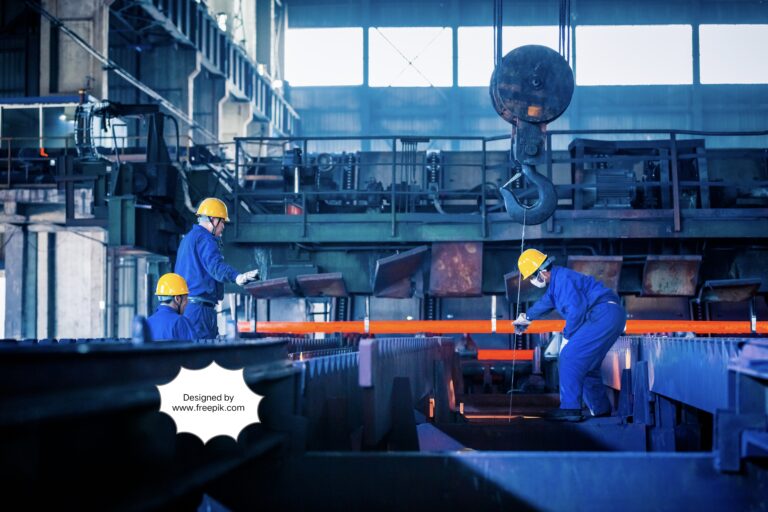
Let us see India’s steel plants below in detailed
India’s steel plants play a crucial role in the country’s economic development by providing the strong and durable steel needed for infrastructure, manufacturing, and everyday products. The steel sector stands as a symbol of India’s industrial strength. It produces millions of tonnes of steel annually, supporting industries like construction, automobiles, transportation, and consumer goods. India ranks among the top steel producers in the world, and its steel plants have evolved over decades to meet the rising demand efficiently and sustainably.
India has over 100 large steel plants and producers, with more than 1,200 total steel manufacturing units including mini-mills and integrated plants, making it the world’s second-largest steel producer.
Major Steel Plants in India
India boasts several large steel plants, spread across various states, contributing significantly to the country’s steel output. Here are some of the most important ones:
- Tata Steel, Jamshedpur, Jharkhand: Tata Steel was the first major steel plant in India, founded in 1912. It remains one of the largest and most successful steel plants in the country, with a capacity of about 10 million tonnes. Tata Steel is known for producing high-quality steel for many sectors.
- Bhilai Steel Plant, Chhattisgarh: Established in 1955 with support from the Soviet Union, this plant specializes in producing wide steel plates used in shipbuilding and heavy engineering sectors. It has the capacity to produce around 5 million tonnes annually.
- Durgapur Steel Plant, West Bengal: This plant focuses on steel production for construction and industrial machinery. It helps supply steel for regional infrastructure development.
- IISCO Steel Plant, West Bengal: Another significant plant in the eastern region with a focus on quality steel production.
- JSW Steel Plants, Karnataka and Maharashtra: JSW operates large steel complexes in Hospet (Karnataka) and Dolvi and Tarapur (Maharashtra). These plants are known for modern technologies and their ability to produce varied steel products for domestic use and export.
- Visvesvaraya Iron and Steel Works, Bhadravati, Karnataka: This older plant contributes to steel manufacturing mainly for construction and railways.
- Ankur Industries Integrated Steel Plant, Gorakhpur, Uttar Pradesh: It represents the growing number of newer facilities in Northern India, catering to local industrial demand.
States like Odisha, Chhattisgarh, Jharkhand, Karnataka, and West Bengal lead in steel production due to their access to raw materials and established infrastructure. Coastal steel plants like the one in Visakhapatnam give India an edge for exports and resource movement.
Steel Manufacturing Process
Steel production involves transforming raw materials into a strong, versatile metal that industries widely depend on. Here’s the simplified process:
- Raw Material Collection: Plants first collect essential raw materials such as iron ore, coal, and limestone, most of which India produces domestically.
- Furnace Melting: The raw materials then enter either a blast furnace or electric arc furnace. The iron ore melts and turns into molten iron. When scrap steel is melted in electric furnaces, it becomes molten steel directly.
- Refining: The molten steel undergoes cleaning and refining to remove unwanted elements such as sulfur and excess carbon, ensuring good quality and strength.
- Casting: After refining, the molten steel shapes into slabs, billets, or blooms by casting. These semi-finished steel products prepare for further processing.
- Shaping and Rolling: Rolling mills then convert these steel forms into sheets, bars, rods, or beams — all vital components used in construction, automobile manufacture, and industrial equipment.
This method ensures the steel produced meets the strength and flexibility requirements set by industries.
Growth Factors for India’s Steel Industry
Several important factors drive the remarkable growth of India’s steel sector:
- Infrastructure Demand: India’s rapid urbanization and infrastructure projects significantly boost the need for steel in roads, bridges, airports, and housing.
- Government Support: The government actively promotes self-reliance in steel production through favorable policies, investments in capacity expansion, and incentives.
- Technological Advancement: Major plants continually upgrade their technology to boost productivity and reduce waste, embracing automation and modern manufacturing techniques.
- Abundant Raw Material Supply: India’s rich iron ore and coal reserves ensure steel plants have the raw materials needed to operate continuously without heavy reliance on imports.
- Export Opportunities: Indian steel meets growing demand in global markets such as Asia, Europe, and Africa. This export potential encourages plants to increase output and improve quality.
Because of these factors, India has steadily climbed as the world’s second-largest steel producer after China, meeting its growing domestic needs and expanding exports.
Challenges Facing Steel Plants
Despite strong growth, India’s steel industry faces several challenges that need addressing:
- Environmental Impact: Steel production emits greenhouse gases. Plants find it crucial to adopt greener technologies to reduce carbon footprints and comply with stricter environmental laws.
- Raw Material Price Fluctuations: Prices of iron ore and coal often vary widely, increasing production costs and affecting profitability.
- Global Competition: Cheap steel imports from other countries challenge the competitiveness of domestic manufacturers, sometimes leading to price pressures.
- Infrastructure Constraints: Inadequate transport and energy infrastructure can hinder timely delivery of raw materials and finished products, raising operational inefficiencies.
- Modernization Needs: To stay competitive globally, Indian steel plants must continuously upgrade equipment and workforce skills, which requires significant investment.
Addressing these issues is crucial for maintaining steady growth and global competitiveness of India’s steel industry.
Interesting Facts about Indian Steel Plants
- India’s first steel plant, Tata Iron and Steel Company (TISCO), started in 1912 in Jamshedpur, laying the foundation for India’s industrial revolution.
- The combined steel output capacity of India’s plants puts it close to 150 million tonnes per year, catering to more than 90% of the country’s steel consumption.
- Most steel plants are located inland, closer to mineral resources, except for plants like Vizag Steel near the coast, which facilitates easy export.
- India’s steel industry contributes significantly to the nation’s GDP and provides millions of jobs directly and indirectly through related sectors.
- The steel sector is actively working towards “green steel” initiatives, adopting cleaner energy sources and recycling scrap to lower environmental impact.
This fascinating journey of steel plants in India reflects the country’s commitment to industrial growth and modernization.
Conclusion
India’s steel plants are the backbone of the nation’s industrial and economic progress. Their continuous evolution, driven by technological innovation, government support, and abundance of raw materials, has enabled India to become a global steel powerhouse. Moving forward, embracing sustainable practices and modernization will be key to maintaining growth, competitiveness, and environmental responsibility in this vital sector. The steel industry’s future in India looks promising as it balances expanding demand with the urgency of greener production methods, contributing not only to infrastructure development but also to overall national prosperity.



A well-crafted overview that clearly showcases India’s steel industry, its key plants, and the vital role it plays in the nation’s growth.
👍