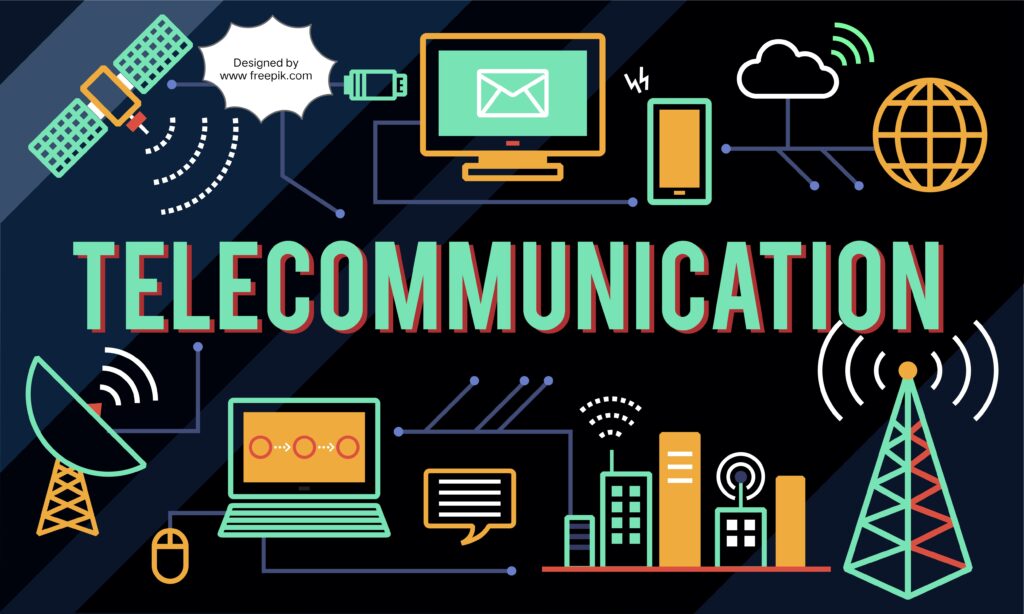
Let us see about India’s Telecommunication Sector below in detailed.
India’s telecom world feels very exciting right now. People talk, watch videos, and work online more than ever before. This sector links over a billion people together. It keeps growing fast each year.
How It All Started
India began telecom with simple landline phones many years ago. People waited a long time to get one back then. But things changed quickly after that. In the 1990s, new private companies joined the field. Mobile phones started showing up everywhere soon.
Today, big names like Reliance Jio, Bharti Airtel, and Vodafone Idea run most of the show. Jio changed everything in 2016 with very cheap data plans. Almost everyone bought a smartphone right away. Now, India stands as the second-biggest telecom market in the world. For example, more than 1.2 billion people use mobile phones every day.
- Jio gives unlimited calls and data for little money.
- Airtel brings fast internet to cities and villages.
- BSNL, run by the government, reaches far-away places.
This big change helped India move from slow days to fast leadership.
Mind-Blowing Growth Numbers
The numbers show a lot about this growth. By the end of 2025, internet users went past 1 billion. That marks four times more than ten years back. Broadband links reached almost 100 crore as well.
People also use about 24 GB of data each month on average. Internet speeds go over 130 Mbps in many spots. That puts India among the best in the world. Phones per 100 people hit 86 percent. Rural areas grew by 43 percent since 2014. This progress helps close the gap between cities and villages.
Why does all this happen? Cheap plans pull everyone in. One GB of data costs very little now. Smartphones sell for low prices too. So, farmers check weather on apps. Kids learn from online lessons.
- More than 1 billion internet links, up from 25 crore in 2014.
- 24 GB data use per month, which leads the world.
- 86 percent phones per 100 people, so most Indians stay in touch.
These facts prove telecom helps everyday life. Think of UPI payments or school classes online.
5G: The Game-Changer Rolls Out
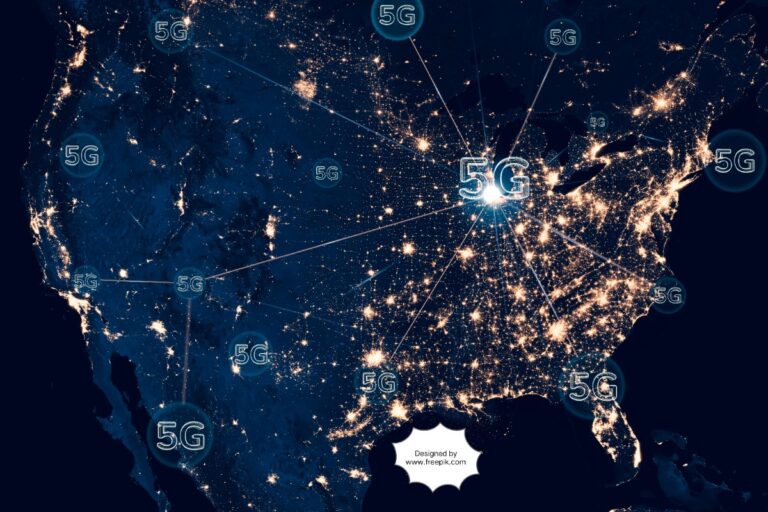
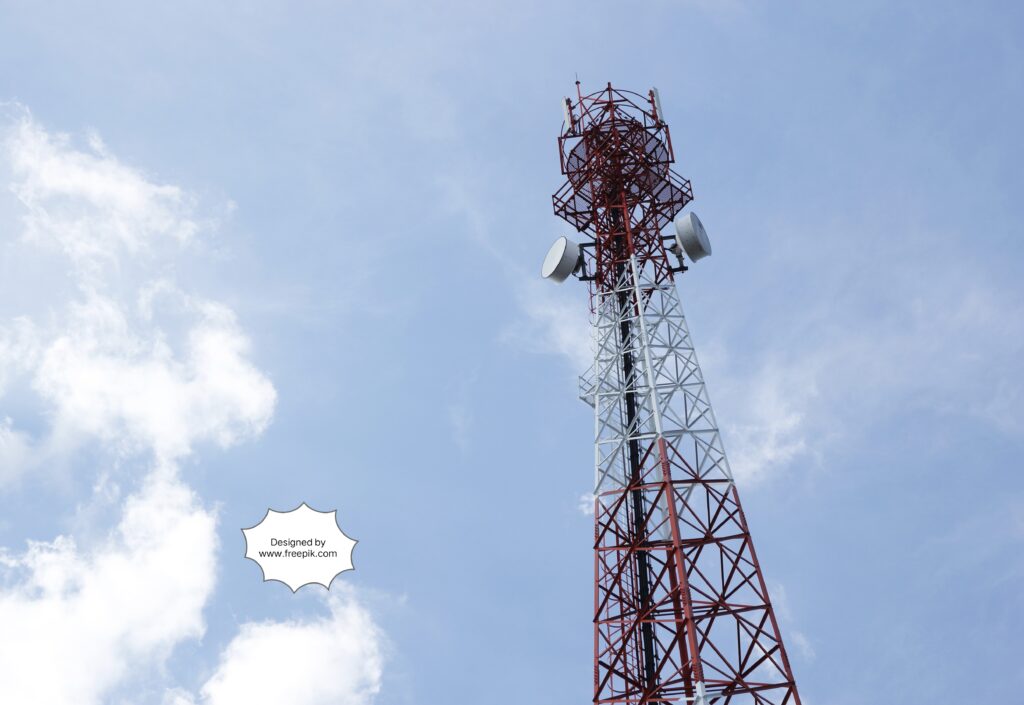
5G came in like a fast train in 2022. By 2025, it covers the whole country. It reaches all states, almost every district, and 85 percent of people. Companies set up over 5 lakh 5G towers. Fiber cables grew twice as much since 2019. This setup supports the fast network.
Jio and Airtel started first in big cities. Then, they took it to roads and small towns. 5G means no delays for games, doctor work with robots, or smart workplaces. Soon, cars will talk to lights on roads.
Some problems still stay, like power needs in villages or high costs for waves. But the government makes it easier to build towers. So, India leads in using 5G among growing countries.
- 5 lakh 5G towers that cover the whole land.
- 85 percent of people can use it, from cities to farms.
- More fiber cables that help send data fast.
5G does more than quick videos. It helps build smart homes and fields.
Key Players and Competition Heat
Three main companies lead the way: Jio with 40 percent share, Airtel with 33 percent, and Vi with 20 percent. Jio wins big on data. Airtel does well on calls and business links. BSNL offers cheap service in hard-to-reach spots.
Rivals keep prices down for everyone. Jio’s low-cost data made others follow along. Now, all companies add fun things like video apps, free Wi-Fi spots, or health tools. New small companies bring fiber internet to homes too.
Satellites like Starlink plan to help rural areas. This mix makes better service for all. People get many choices now.
- Reliance Jio leads as top for data and 5G start.
- Bharti Airtel stays great in towns with world links.
- Vodafone Idea works to add 5G money.
- BSNL and MTNL give government help for far places.
The fight between them brings more growth. Bills stay easy on the pocket.
Government Pushes and Smart Policies
The government helps like a good guide. The Telecom Act 2023 made rules simple. No long waits for new towers anymore. National Broadband Mission 2.0 aims to bring fast internet to villages, schools, and health spots by 2047.
India built its own 4G tech too. It became the fifth country to do so. Groups like C-DOT, Tejas, and TCS made it for BSNL. You can upgrade it to 5G later. The Bharat 6G Mission joins world talks on new standards.
The Sanchar Saathi app stops bad calls. It has 1.5 crore downloads. It works in 23 languages and finds lost phones. The PLI plan helped local factories. They made goods worth ₹96,000 crore and sold ₹19,000 crore abroad.
Smart cities, all 100 of them, get top networks first. These ideas make India strong on its own.
- NBM 2.0 brings fast internet to every town.
- Home 4G and 6G tech shows made-in-India pride.
- Sanchar Saathi stops spam for everyone.
- PLI help lets local jobs and sales grow.
Rules turn big plans into real towers fast.
Everyday Wins for Indians
Telecom makes life better for many people. Farmers sell food direct on apps without middle help. Kids in far places join big school classes online. Doctors see patients from long distances.
Fast payments with UPI grew huge because of good data. It handles ₹20 lakh crore each month. Shops online send goods to doors. In bad weather like floods, networks help save people.
Problems like slow rural speed or online tricks happen sometimes. But apps fix them quick.
In other words, telecom holds India’s online world together. It helps poor homes and new businesses.
- Farmers get good prices from apps.
- Kids learn from free online lessons.
- Shops use video talks to save time.
- Health care goes to far villages.
Normal people win every day.
Hurdles on the Road Ahead
Every good story has some hard parts. Companies earn little per user because plans cost so low. Vi has big debts from old joins.
Towers lose power in dark outs. Bad people online try to steal info. Putting fiber in villages meets land problems.
But fixes come up. Solar power runs towers. Smart tools catch tricks early. Satellites cover empty spots.
Hope stays high. The sector wants $100 billion in money soon.
- Low money per user because cheap help hurts earnings.
- Big debts mean Vi needs new cash.
- Online dangers need better walls.
- Build problems call for more wires in towns.
Hard spots lead to smart answers.
What’s Next: 6G and Beyond
6G comes soon. Tests begin in 2026, with full use by 2030. It will bring 3D calls and quick smart help. Satellites like OneWeb send net to hills.
Green telecom grows with sun power on towers. Fast edge tools help workplaces. India plans to sell digital things worldwide.
Money flows in at $10 billion a year. Jobs open up in millions for nets and apps.
At last, telecom builds a strong India. From Jio days to 6G hopes, it leads the way.
- 6G tests bring very fast times ahead.
- Satellites cover all spots.
- Green towers lead to a clean future.
- Many new jobs wait in tech.
The road ahead looks full of fun.