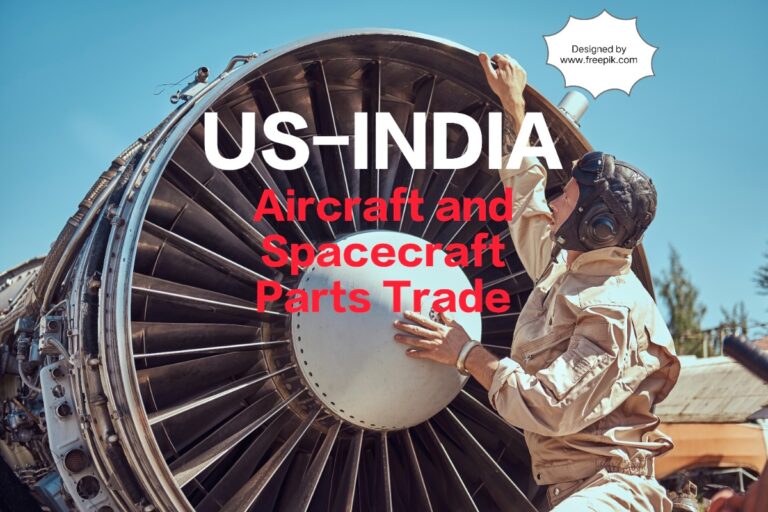
Let us see about US-INDIA Aircraft and Spacecraft Parts Trade below in detailed.
India and the US now trade aircraft and spacecraft parts with zero tariffs, thanks to a fresh 2026 deal. This exciting change boosts jobs and growth for both countries.
Why This Trade Matters Now
First, leaders from India and the US signed an interim trade agreement in early 2026. They removed tariffs on key aircraft parts and machinery right away. As a result, companies save money and move faster.
Moreover, India plans to buy $500 billion in US goods over five years. This includes aircraft parts, energy items, and tech products. Therefore, both sides win big with more business.
Additionally, India’s Commerce Minister Piyush Goyal shared good news. He met CEOs from Boeing and Airbus. They see India as a top spot for making parts.
Recent Deal Highlights
The 2026-27 Union Budget in India helped kick this off. Finance Minister Nirmala Sitharaman cut customs duties on aircraft parts. She also freed up raw materials for factories.
- India gets duty-free access to US aircraft parts.
- US opens doors for Indian parts with zero tariffs.
- Both countries focus on fair trade in tech and energy too.
Furthermore, this deal protects sensitive areas. For example, India keeps safeguards on food and farm goods. In return, the US looks at lowering tariffs on Indian items later.
India’s Growing Role in Aerospace
Over the last 20 years, Indian firms joined the global supply chain. They make precision parts like doors and assemblies. Now, with this deal, they reach the huge US market easily.
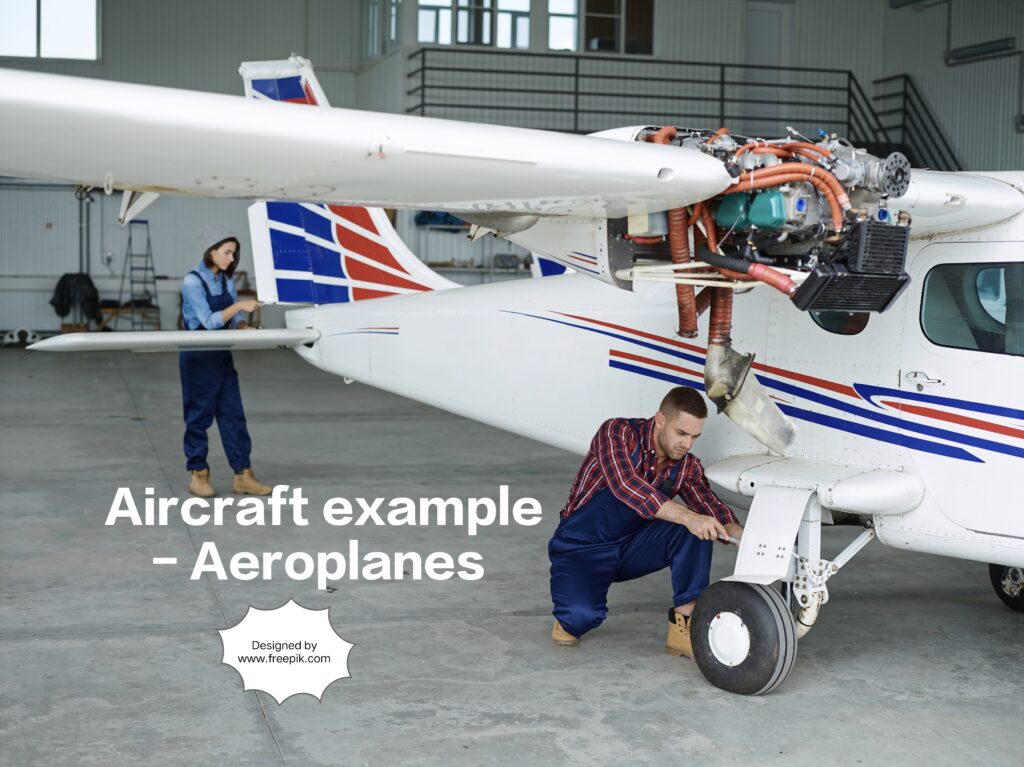
For instance, Boeing wants to double its buys from India. Airbus feels the same excitement. Consequently, Indian factories ramp up production.
Also, the ‘Make in India’ push plays a big role. Government support helps local companies team up with US giants. Thus, India builds a strong aerospace hub.
Spacecraft Parts: The Next Frontier
While aircraft leads, spacecraft parts gain speed too. India’s ISRO works with NASA on projects. They share tech for satellite parts and rocket components.
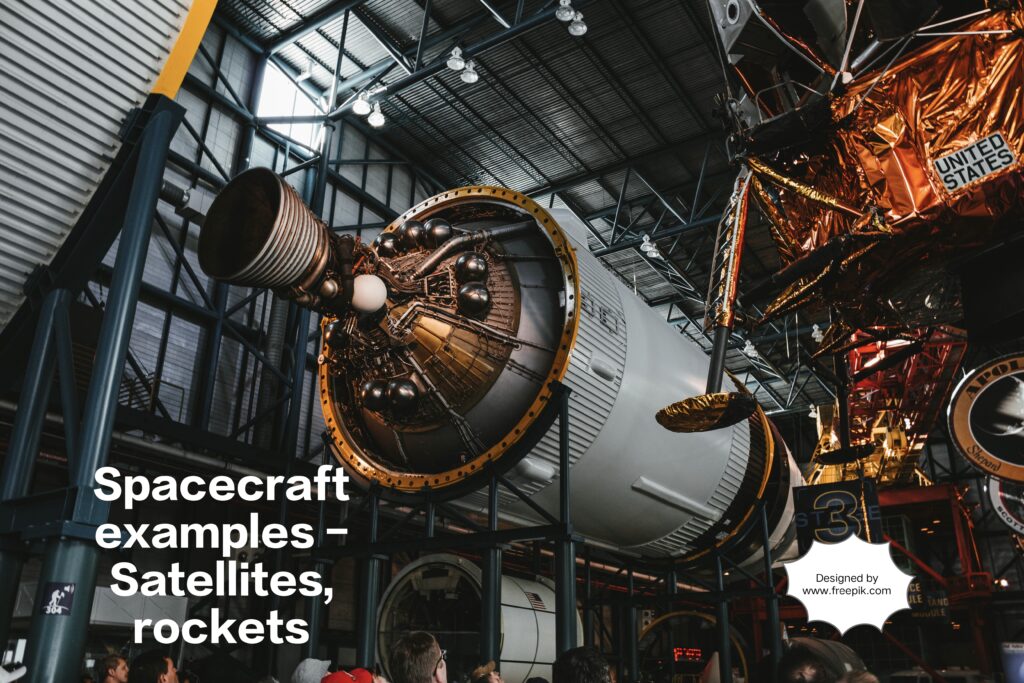
Recently, the trade deal covers some space items indirectly. Zero tariffs help import US sensors and materials. In turn, India exports lightweight alloys for satellites.
- Key spacecraft parts traded: engines, thrusters, and electronics.
- India supplies cost-effective parts to US firms like SpaceX partners.
- Joint ventures grow, like Chandrayaan missions with NASA help.
Moreover, by 2026, India aims for more space exports. This deal cuts costs, so startups join in. As a result, the sky is no limit.
Key Benefits for India
Indian manufacturers cheer this change. They now compete with Europe and Asia on equal terms. For example, exports to the US could jump exponentially.
Jobs multiply too. Factories in cities like Bengaluru and Hyderabad hire engineers. Skilled workers get better pay and training.
Additionally, airlines in India order more planes. With cheaper parts, they expand fleets fast. IndiGo and Air India lead with big Boeing buys.
Wins for the United States
US companies gain reliable suppliers in India. They cut costs by 20-30% on parts. Boeing and Lockheed Martin source more from there.
Also, the US sells high-tech parts to India. This includes advanced engines and avionics. Therefore, American factories stay busy.
Furthermore, stronger ties mean joint R&D. Both nations work on green aircraft tech. For instance, electric plane parts come next.
Challenges and Fixes
Trade grows fast, but hurdles exist. First, quality standards must match. India trains workers to meet FAA rules.
Supply chain issues linger from past years. However, the deal adds logistics help. Ports in Mumbai speed up shipments.
- Certification delays slow some deals.
- Skill gaps need quick training programs.
- Currency swings affect prices, but hedges help.
On top of that, both governments plan talks. They fix non-tariff barriers step by step. Thus, smooth trade flows ahead.
Future Outlook
By 2030, this trade could hit $50 billion yearly. India becomes a top-5 aerospace exporter. US firms build plants there too.
Exciting projects loom. Joint spacecraft for Mars missions. Aircraft with hydrogen fuel. Young engineers lead the way.
Moreover, startups shine. Firms like Skyroot Aerospace sell rocket parts to US buyers. The deal fuels their dreams.
Real Stories of Success
Take Tata Advanced Systems. They make aircraft wings for Boeing. Now, zero tariffs mean more orders and profits.
Hindustan Aeronautics Limited (HAL) exports helicopter parts. The US market opens wide. Workers celebrate new contracts.
Also, small firms like Dynamatic Technologies grow. They supply spacecraft valves. Exports doubled in 2026 alone.
How This Helps Everyone
Consumers fly cheaper. Airlines pass on savings from low-cost parts. More routes connect Mumbai to New York.
Environment wins too. Efficient parts cut fuel use. Both countries push green skies together.
Finally, friendship strengthens. Leaders meet often. Trade builds trust beyond business.
Steps to Join the Boom
Companies act now. They certify parts for US standards. Partner with locals for quick wins.
- Attend aero trade fairs in Delhi.
- Train staff on new tech.
- Use government schemes like PLI for funds.
Students study aerospace engineering. Jobs wait in this hot field. Parents smile at bright futures.
Trade Stats at a Glance
| Year | Trade Value (Billion USD) | Growth % |
|---|---|---|
| 2023 | 5 | – |
| 2025 | 12 | 140 |
| 2026 | 20 (projected) | 67 |
| 2030 | 50 (projected) | 150 |
This table shows fast growth. Numbers come from recent reports.
Final Thoughts on Growth
The US-India aircraft and spacecraft parts trade soars high in 2026. Zero tariffs spark jobs, innovation, and deals. Both nations fly together to new heights. Grab the chance – the future looks bright!