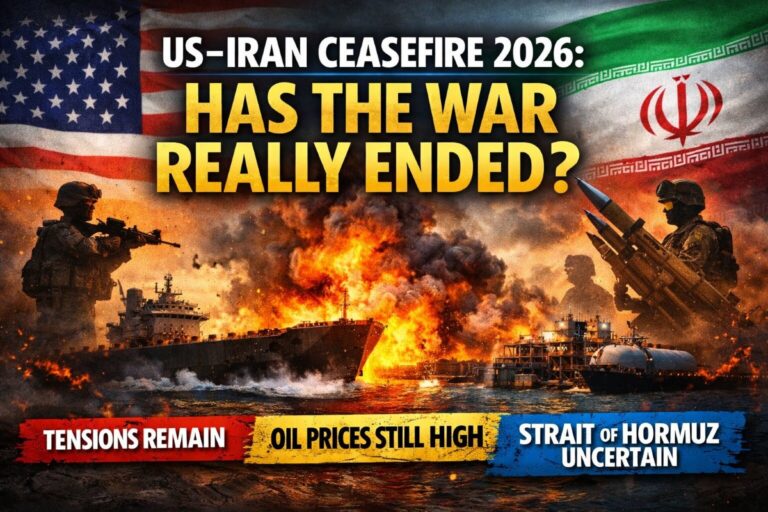
Let us see about US-Iran Ceasefire 2026 below in detailed.
Right now, many people ask one simple question: Has the war stopped?
The answer is not fully clear. On one side, the United States and Iran announced a ceasefire. On the other side, tension, fear, and small conflicts still continue.
Therefore, the situation feels confusing. Some people believe peace has started. However, others see this as only a short pause.
Ceasefire Agreement: A Short Break, Not Full Peace
First of all, the United States and Iran agreed to a temporary ceasefire. This step came after rising tension and global pressure.
Because of this agreement:
- Direct attacks between both sides have reduced
- Leaders have started talks
- Hope for peace has increased
However, this ceasefire will last only for a short time. Therefore, it does not guarantee long-term peace.
In simple words, the war has paused, but it has not ended.
Different Views Create New Problems
Although both countries agreed to stop fighting, they do not agree on everything. This creates new tension.
For example:
- The United States expects free and safe shipping
- Iran wants its conditions to be accepted
- Both sides blame each other for confusion
Because of this, the ceasefire looks weak. Moreover, small misunderstandings can quickly become big problems.
As a result, peace still feels uncertain.
War Activities Still Continue Indirectly
At the same time, the region has not become fully calm. Even after the ceasefire, some military actions continue.
Current situation:
- Israel continues strikes in nearby regions
- Iran reacts strongly to these actions
- Local conflicts still create fear
Therefore, the war has not truly stopped. Instead, it has changed form.
This makes the situation more complex and risky.
Strait of Hormuz: Not Fully Open Yet
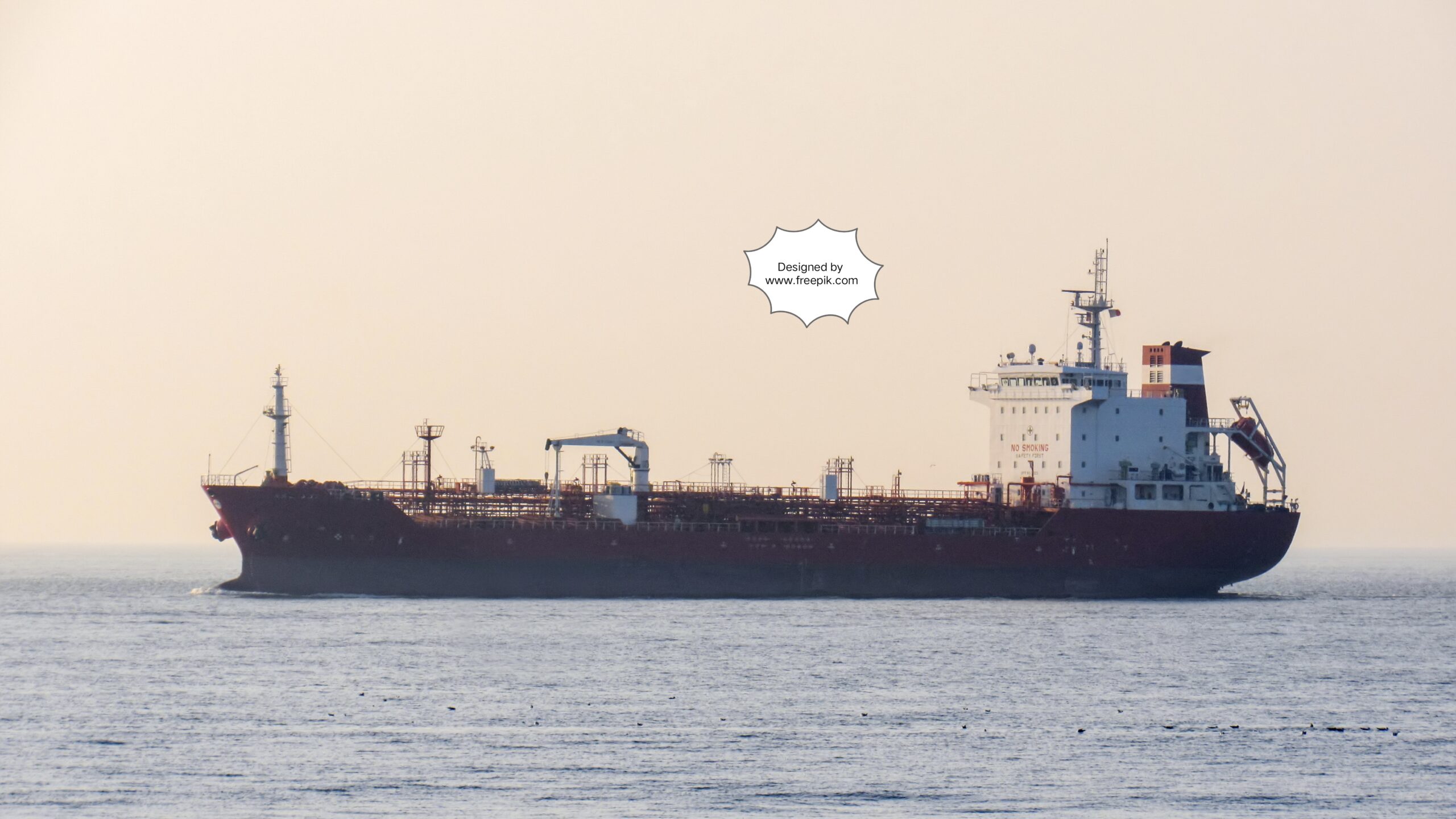
Another important update comes from the Strait of Hormuz. This area plays a big role in global oil supply.
Although leaders announced reopening, the ground reality looks different.
What is happening now:
- Very few ships are moving
- Many companies avoid the route
- Security risks remain high
Moreover, strict control still exists in the region. Ships cannot move freely without approval.
Because of this, the situation remains unstable.
Iran’s Strong Stand Continues
Iran has not softened its position. Instead, it continues to show strength and control.
Key points:
- Iran links peace to its conditions
- It demands respect in negotiations
- It warns against outside pressure
In addition, Iran uses its control over the Strait as leverage. This increases its power in talks.
Therefore, the situation remains tense.
Global Impact Still Visible
Even though the ceasefire exists, the world still feels the impact.
Major effects:
- Oil prices remain high
- Shipping costs have increased
- Trade faces delays
Because of this, common people may also feel changes. For example, fuel prices and transport costs may rise.
So, this issue does not stay limited to one region.
Even beyond immediate price increases, the ongoing situation between the United States and Iran is also affecting long-term global economic stability. Many international companies are becoming more cautious about investments in the Middle East due to uncertainty. As a result, major energy projects, shipping expansions, and trade agreements are being delayed or reconsidered.
This hesitation creates a ripple effect across multiple industries, including manufacturing, aviation, and logistics. Furthermore, insurance costs for cargo ships passing through the Strait of Hormuz have increased significantly, adding extra financial pressure on businesses. Because companies pass these costs to consumers, everyday products may slowly become more expensive over time. In addition, countries that depend heavily on imported oil are exploring alternative energy options to reduce risk. However, such transitions take time and investment.
Therefore, even a temporary ceasefire cannot immediately reverse the economic impact already set in motion. This makes the situation not just a regional concern, but a global economic challenge that may continue for months.
Why the Ceasefire Feels Weak
Many signs show that this ceasefire may not last long.
Main reasons:
- Lack of trust between both sides
- Ongoing regional conflicts
- Different expectations from the agreement
Moreover, both countries remain alert and ready for action. They have not reduced their military strength.
Therefore, the risk still exists.
What Can Happen Next?
Looking forward, the situation can change in different ways.
Possible outcomes:
1. Peace improves
- Talks continue
- Trust slowly builds
- Situation becomes stable
2. Conflict returns
- Ceasefire breaks
- Fighting starts again
- Global tension increases
3. No clear result
- No full war
- No real peace
- Situation stays uncertain
Right now, the third option looks more likely.
Another important factor to consider is how global political relationships are being reshaped because of this situation. The tension between the United States and Iran is influencing how other countries respond and position themselves. Some nations are trying to act as mediators to maintain stability, while others are strengthening their alliances for security reasons. This shifting dynamic can lead to new partnerships as well as new rivalries. At the same time, global organizations are closely monitoring the situation to prevent further escalation.
However, their influence is often limited when major powers have conflicting interests. Additionally, public opinion in different countries is also playing a role, as citizens demand stability and economic relief. Because of all these factors, the ceasefire is not just a military pause but also a complex political situation. Therefore, what happens next will not only depend on these two countries but also on how the rest of the world reacts and adapts to this ongoing tension.
Conclusion
In conclusion, the latest updates show that the ceasefire has created a pause, not a solution.
On one hand, direct war has reduced. On the other hand, tension, control, and indirect conflict still continue.
Moreover, the Strait of Hormuz remains unstable, and global impact continues.
Therefore, the situation stays fragile. The coming days will decide whether this pause turns into peace or returns to conflict.
Ultimately, the situation remains unpredictable, and global stability depends on how carefully the United States and Iran handle upcoming decisions.
Final Thought
So, has the war stopped?
Not completely.
It has slowed down, but it still continues in different ways.
That is why the world continues to watch closely.