
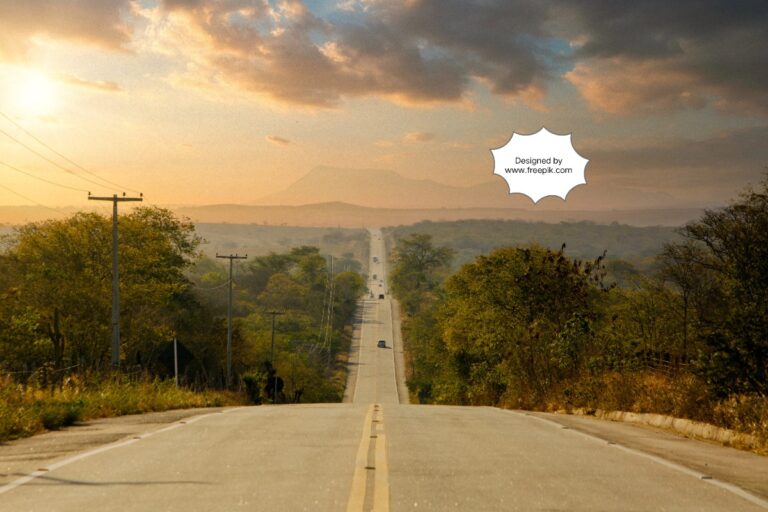
Let us see about Indian Roads Infrastructure below in detailed.
India’s roads buzz with action. They take families to markets, trucks carry fruits and rice, and people rush to jobs. But old bumpy roads caused big problems. Now, new plans fix them fast. India has 6.62 million km of roads in 2025. National highways cover 1,46,145 km. Let’s see how this helps everyone.
A Quick Look at Our Huge Road Map
India has tons of roads—the second biggest network in the world. Total roads reach 6.62 million km in 2025. That’s like going around Earth 165 times! National highways make 146,145 km (up from 1,45,240 km last year). They join big cities and small villages. States like Maharashtra have 6,50,000 km. Uttar Pradesh has 6,00,000 km.
Why care about these numbers? Good roads mean fast trips and happy businesses.
| Type of Road | Length (km) | Year | Fun Fact |
|---|---|---|---|
| All Roads | 66,17,100 | 2025 | Links every home and shop |
| National Highways | 1,46,145 | 2024 | Joins 90% of shops and ports |
| Fast Expressways | 5,000+ | 2025 | Quick trips like Delhi to Mumbai |
| Top State: Maharashtra | 6,50,000 | 2025 | Biggest share at 9.82% |
Back in 1951, highways were just 66,000 km. Now they grow every year.
What Makes Roads Better Today?
India works hard on new roads. Bharatmala plan builds 83,000 km of big highways. For example, Delhi-Mumbai expressway (1,386 km) cuts trip time from days to hours. Toll gates now take quick phone payments—no long waits. Rural paths get fixed too, so farmers sell crops easy.
Top changes that help you:
- Big Highway Links: 34,800 km join work areas.
- Fast Roads Boom: Over 5,000 km ready, 26,000 km coming by 2025.
- Village Roads: 1.8 lakh km paved since 2000.
- Strong Bridges: 1,000 new ones each year beat rains.
They built 13,000 km in 2024. Roads keep getting longer and smoother.
How Good Roads Help Your Day
Nice roads save time and money. Trucks bring fresh veggies cheap. New designs stop crashes by 10-15%. Villages reach schools and doctors faster. Everyone wins.
Daily good things:
- Short Trips: Save 30-50% time on big roads.
- Low Prices: Food stays fresh, shops charge less.
- New Jobs: Roads make work for 10 crore people yearly.
- Fun Travel: Pretty paths bring 20% more tourists.
But city jams stay, so they add smart lights and buses.
Problems We Still Face
Good news comes, but bad spots remain. Many village roads break fast—no fixes. Money runs short for big builds. People fight over land. Rains and floods hurt more now.
Big issues:
- Bad Fixes: 40% roads need quick help.
- Crowded Cities: Delhi loses 2.5 lakh crore from jams yearly.
- Nature Hurt: Builds touch 5% of forests.
- Few Skilled Workers: Need more people for smart tools.
But teams use new ways to solve them.
Smart Ways to Fix and Plan Ahead
Leaders act now. Sensors on roads spot jams early. Teams share money—60% from private help. They plant trees on 50% of new paths.
Steps for tomorrow:
- Smart Tech: Cameras and apps give live news.
- Fix First: Double money for old road care.
- Mix Travel: Roads work with trains and electric cars.
- Grow More: 2 lakh km new highways by 2030.
By 2025, 50,000 km of super-fast roads will open.
True Stories from Road Users
People feel the change. A truck driver from Delhi reaches Mumbai in 18 hours, not 36. Farmers in UP sell mangoes fresh—earn 20% extra. City riders use apps to skip holes.
Great examples:
- Delhi-Mumbai Road: Cuts time in half, helps shops.
- Hill Roads in East: Joins far villages to towns.
- South Links: Easy rides for Chennai office workers.
Numbers turn into real happy days.
Easy Tips for You on Roads
You can use roads better. Check phone apps for updates first. Use FASTag sticker for quick tolls. Share rides in busy times. Tell about bad spots online.
Simple steps:
- Pick dry paths in rain.
- Take buses when full.
- Drive safe—wear helmets.
- Stop at new electric car spots.
The Road Trip Continues
India turned bumpy paths into 6.62 million km of good roads. National highways at 146,145 km spark big dreams. Yes, fixes lag sometimes, but plans like Bharatmala make it better. Roads join homes to cities, give jobs, and make life easy.
The Road Ahead: India’s Journey to Better Travel
India’s roads tell our story—from dusty village tracks to smooth 6.62 million km networks that touch every corner. National highways at 146,145 km now link dreams to reality. Bharatmala and village road fixes built 13,000 km in 2024 alone. Farmers sell fresh mangoes, truckers save hours, and city folks dodge jams with smart apps. These changes cut travel time by 30-50%, drop food prices, and create jobs for millions.
But the work never stops. Potholes on 40% of rural paths, city crowds costing billions, and rain floods remind us: good roads need constant care. Leaders fight back with sensors, shared funding, and green trees along new paths. By 2030, 2 lakh km more highways and 50,000 km of super-fast expressways will open. Electric car stops and train links will make travel cleaner and easier.
Think about it—what if every trip felt quick and safe? No more flat tires or long toll waits. Kids reach school on time. Shops stay stocked. Tourism brings smiles to hill towns. India’s roads don’t just move people; they build a stronger nation.
You play a part too. Report bad spots, share rides, drive safe. Check apps before rainy drives. Support local fixes. Together, we turn stats into smooth days.
The bumpy past fades. A connected future rolls closer. India’s roads spark jobs, join hearts, and speed progress. Buckle up—this ride gets better every day.
Imagine driving worry-free to your village festival or weekend getaway. Picture trucks bringing apples from Himachal to your Delhi market in half the time. These roads unite 140 crore Indians—north to south, city to farm. Share your road story in comments below. Tag friends who hate potholes. Let’s cheer every new kilometer. India’s road revolution rolls on, and you’re riding it with pride.




Excellent explanation 👍
The information is very clear, simple, and easy to understand. You explained India’s road development with good facts, examples, and benefits for common people. The points are well structured, and real-life examples make it more interesting. Overall, it is an informative and well-presented explanation.
👍