
Let us see about Coal and Thermal Energy in India below in detailed.
India powers its fast-growing economy mainly through coal and thermal energy. These sources light up homes, run factories, and keep trains moving across the country. However, as the nation pushes for cleaner air and green power, coal faces new challenges. Let us see how coal and thermal plants work in India, their big role today, and what lies ahead.
What Are Coal and Thermal Energy?
Thermal energy comes from heat, and in India, coal fuels most of it. Workers burn coal in huge boilers to make steam. This steam then spins turbines to create electricity. Simple, right? Coal provides steady power day and night, unlike sun or wind that depend on weather.
Moreover, India digs up most of its coal from mines in states like Jharkhand, Odisha, and Chhattisgarh. Trucks and trains carry this black rock to power plants near cities or industries. For example, a single large plant like Mundra in Gujarat can light millions of homes. Thus, thermal plants form the backbone of India’s power grid.
- Coal burns hot and gives lots of energy per ton.
- Plants use tech like super-critical boilers to squeeze more power from less coal.
- Lignite, a dirtier cousin of coal, also feeds some plants in Tamil Nadu.
India’s Huge Reliance on Coal Power
India boasts the world’s second-largest coal production. In 2025, the country mined over 1 billion tons, and plans aim for 1.31 billion tons by 2027. Why so much? Well, factories boom, cities grow, and people use more gadgets. As a result, coal powers about 45-50% of all electricity.
Furthermore, over 226 GW of coal-based plants stand ready as of late 2025. That’s enough to supply power to the entire United States! Even with solar and wind rising fast, coal handles the heavy load. For instance, during hot summers, air conditioners crank up, and coal plants step in without fail.
Here are key stats in simple points:
- Total thermal capacity: Around 230 GW, mostly coal.
- Coal output in 2025: Dipped slightly to 1,247 TWh due to more renewables, first drop in years.
- Plants under build: 40 GW more coming soon.
Transitioning now, let’s see where these giants stand across India.
Major Coal and Thermal Plants Across States
India spreads its thermal plants smartly to cut transport costs. Eastern states hold the coal, so big plants cluster there. Meanwhile, southern and western spots get gas or imported fuel too. Take a look at top players.
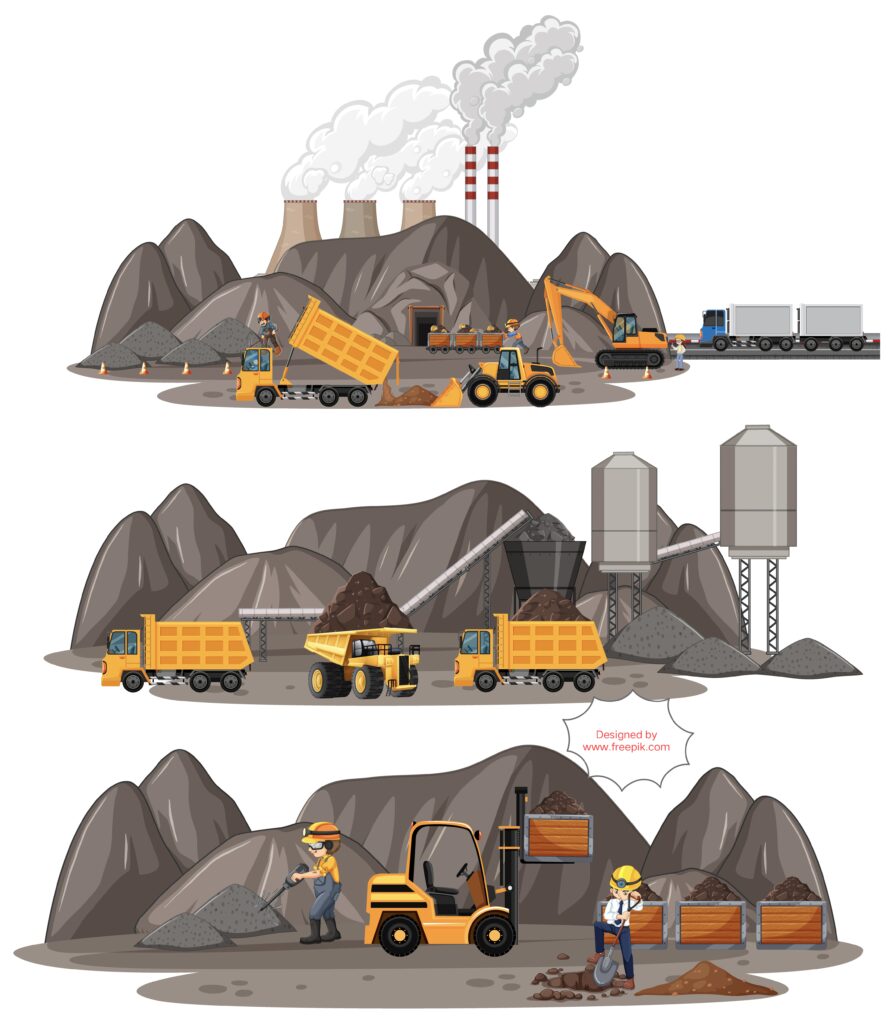
NTPC, the top government firm, runs many. Its Vindhyachal plant in Madhya Pradesh tops the list at over 4,760 MW. It feeds power to Delhi and nearby areas. Similarly, Mundra in Gujarat, run by Adani, uses imported coal for 4,620 MW.
Points on key regions:
- Jharkhand and Odisha: Supply 50% of coal; plants like Talcher generate 3,000 MW each.
- Uttar Pradesh: Rihand Super Plant at 4,000 MW serves the north.
- Maharashtra and Gujarat: Mix coal with gas for industry hubs.
- Tamil Nadu: North Chennai uses local lignite.
Additionally, new awards in 2025 added 13 GW of coal capacity. Builders race to meet demand spikes. However, states like Rajasthan now plan 4.4 GW more by 2036 despite solar fame. Thus, coal stays vital even in green leaders.
How Thermal Plants Work Step by Step
Want to know the magic inside? Coal arrives by rail, then crushers grind it to dust. Blowers mix it with hot air and ignite it in the furnace. Flames hit 1,500°C, turning water to steam.
Next, high-pressure steam rushes through pipes to turbines. Blades spin fast, linked to generators that make electricity. After work, steam cools in condensers and recycles. Modern plants add scrubbers to trap smoke and ash.
Simple steps in bullets:
- Step 1: Coal crushes and burns.
- Step 2: Steam powers turbines.
- Step 3: Generators produce current.
- Step 4: Cool and clean exhaust.
- Step 5: Send power to grid.
Moreover, ultra-super-critical tech now boosts efficiency to 40%, wasting less coal. India installs these to fight climate change. For beginners, think of it like a giant tea kettle making electricity!
Benefits That Keep Coal King
Coal wins for reliability. It runs 24/7, unlike solar that sleeps at night. Industries love steady supply for steel mills and cement factories. Plus, India sits on huge reserves—enough for 200 years.
Economically, coal creates jobs. Mines employ lakhs, and plants need engineers and workers. Local shops thrive nearby. Also, power stays cheap; thermal electricity costs ₹3-4 per unit.
Key perks:
- Jobs: Over 5 lakh direct in coal sector.
- Affordable: Lower than imported gas.
- Baseload power: Balances flaky renewables.
- Fuel security: Home-grown, cuts import bills.
Therefore, even as greens grow, coal bridges the gap.
Challenges and Pollution Headaches
But wait, coal isn’t perfect. It spews CO2, the climate villain. India emits tons from plants, worsening global warming. Ash piles bury land, and smoke chokes cities like Delhi.
Health hits hard too. Fine particles cause asthma and early deaths. Rivers near plants turn toxic from runoff. For example, 2025 saw court orders to clean ash ponds.
Other woes:
- High water use: Plants guzzle millions of liters daily.
- Mine impacts: Forests vanish, tribes displace.
- Import needs: Quality coal comes from Australia.
- Aging plants: 50 GW old ones need upgrade or shutdown.
Despite this, output fell 3.4% in 2025 as solar jumped 22%. Transition words like “however” show the shift.
Government Moves to Clean Up Coal
India acts smart. The Power Ministry bans old plant retirements till 2030. Yet, it pushes “green coal”—washed coal cuts ash by 60%. Plants add flue-gas units to trap sulfur.
Targets shine bright:
- 500 GW non-fossil by 2030, but coal hits 307 GW by 2035.
- Coal gasify: Turn coal to gas for cleaner burn.
- Stockpiles: 53 million tons ready in Jan 2026.
Moreover, Coal India ramps production with new mines. States get flexible ranking for plants. Thus, coal evolves, not ends.
Future: Coal Meets Renewables
Look ahead—coal shrinks but stays. By 2030, it may drop to 40% share as solar hits 300 GW. Hybrid plants pair coal with batteries for steady green mix. Rajasthan eyes coal for solar shortfalls.
Innovations excite:
- Carbon capture: Trap CO2 underground.
- Smaller plants: Faster build near users.
- Hydrogen blend: Mix with coal for less emissions.
- Net-zero path: Coal funds green shift till 2070.
In closing thoughts (without summing up), India balances growth and green. Coal powers today, but tomorrow blends it wisely.
Key Stats Table
| Aspect | Details (2025-26) | Source |
|---|---|---|
| Installed Capacity | 226 GW coal/lignite | |
| Under Construction | 40 GW | |
| Generation 2025 | 1,247 TWh (down 3.4%) | |
| Coal Production | 1.05 BT (FY25) | |
| Future Target | 1.31 BT by FY27 |